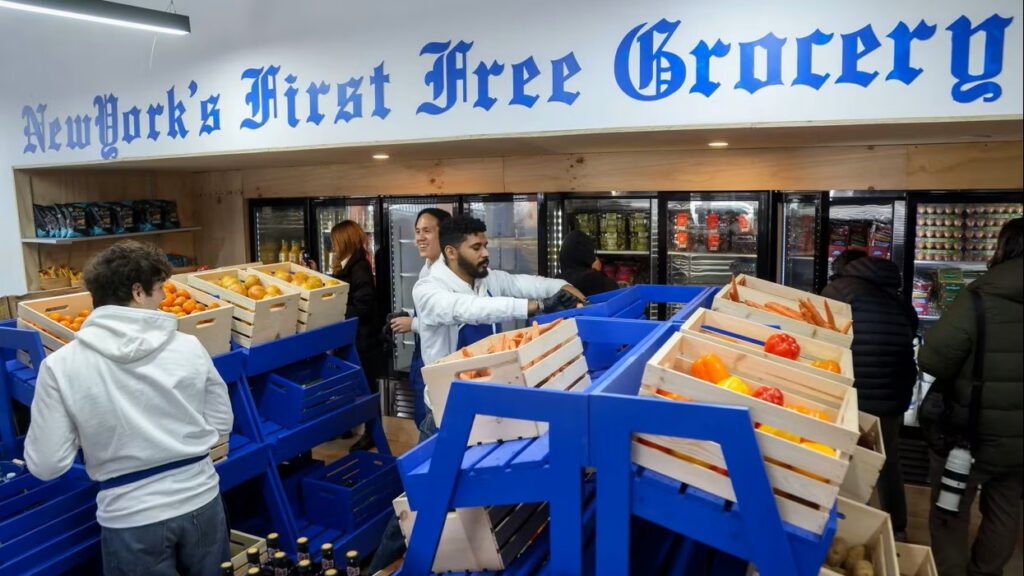
New York City Mayor Zohran Mamdani is actively moving forward with an ambitious and costly municipal initiative to establish five city-run grocery stores across each of the city’s five boroughs by the year 2030, with the initial location slated to open in Hunts Point, Bronx, in late 2027. Backed by an estimated $70 million capital budget, these government-backed shops are designed to alleviate the severe affordability crisis affecting local residents by offering a steep 30% discount on a core selection of everyday grocery essentials, including fresh produce, meat, and seafood. To maintain these lower prices, Mamdani’s administration plans to absorb rental costs and property tax burdens for the facilities, and city officials are currently reviewing applications from private operators equipped to manage the complex logistical demands of the project.
However, the proposal has encountered fierce pushback from prominent figures in the local grocery sector. John Catsimatidis, CEO of the Gristedes supermarket chain, issued a blunt warning that the municipal stores will fail to solve systemic hunger while actively undercutting neighborhood bodegas and traditional supermarkets. Catsimatidis argued that exempting the city-run locations from rent and real estate taxes creates an unfair competitive advantage that could drive nearby independent businesses out of operation. This pressure compounds existing economic hurdles for local merchants, who are already navigating razor-thin profit margins of 1% to 3%, rising electricity costs, and the financial impacts of Manhattan’s congestion pricing—which was enacted in January 2025 and drives up delivery expenses from regional vendors. Rather than establishing competing government stores, Catsimatidis suggests that the administration should partner with existing merchants by offering targeted tax credits to help them lower prices for consumers across all five boroughs.
In contrast, public health and food policy advocates emphasize an urgent, underlying need for systemic interventions to address widespread food insecurity in the nation’s largest city. Nevin Cohen, director of the CUNY Urban Food Policy Institute, noted that roughly 1.4 million New Yorkers experience food insecurity, with approximately 20% of the population relying on SNAP benefits or federal food assistance programs to secure regular meals. Cohen pointed to existing legislative efforts like the FRESH program, which leverages zoning and tax incentives to encourage the creation and expansion of supermarkets in underserved neighborhoods or designated food deserts. While these differing perspectives highlight a fundamental debate over the boundary between public assistance and free-market enterprise, both sides underscore the immense economic and social challenges currently defining the New York City food retail landscape.