
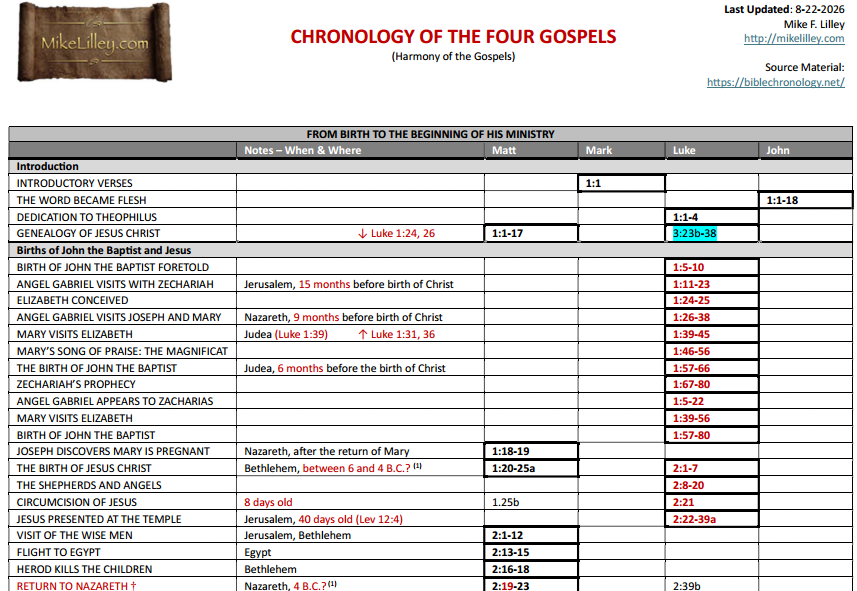
Mike’s Chronology of the Four Gospels
Studying the biblical chronology of the four Gospels is important because it allows readers to combine parallel accounts into a fuller, more coherent picture of Jesus’ ministry than any single Gospel provides.
When the Gospels of Matthew, Mark, Luke, and John are arranged chronologically, several key benefits emerge.
Updated: Saturday; August 22, 2026
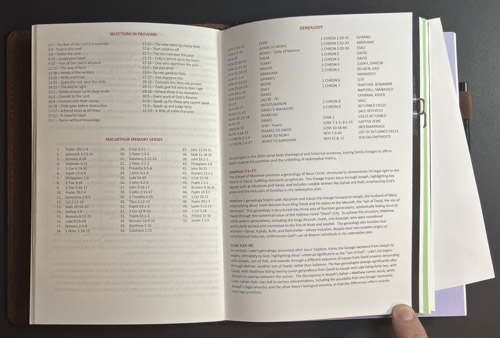
Mike’s Custom Bible Reading Booklets
My custom booklets are bible reading aids, charts, lists and commentary.
Click here to see my tutorial on how to create a print a booklet in Microsoft Word.

2019 Book of Common Prayer Page Inserts
Custom booklets include The order for the visitation of the sick found in the 1662 book of common prayer. The eight verses of St. Bernard (A daily prayer for a good death) taken from the psalms. The Stations of the Cross – (also known as the Via Crucis or Way of the Cross) are a traditional Christian devotion that commemorates Jesus Christ’s final hours leading to his crucifixion and burial. Sentences of scripture from the 1928 BCP. Rules for life from the St. Bernard Breviary. Prayers and Thanksgivings from the 1928 and 1662 BCP. The Daily examen from the Anglican Service Book. Collects from the 1928 BCP. Chalking the Door from the Anglican Service Book. Canticle of the Martyred and 14 additional prayers for the sick or the grieved.
Bible Reading Guide
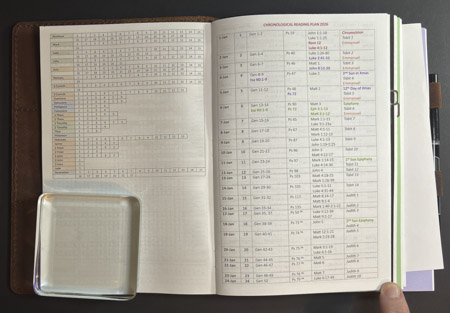
This plan is unique in that it combines several different approaches to a reading plan as follows: First, I wanted to read the Gospels in chronological order. There are several planes out on the internet that accomplish this, however, I wanted the New Testament to be of a different structure than the Old Testament. I used the Bible Reading Plan Generator to assemble the passages for the New Testament. This generator offers the user several different options to obtain the plan that fits best. I compared to other chronological reading plans and many of them chopped up the chapters into verses like this popular plan found at the back of the ESV Study Bible. The second requirement I had with my custom reading plan is the addition of a daily reading from the Psalms, Proverbs and Poetry. As you can see from the example below, the Psalms are listed as a separate column which allows for an easier “start and stop” approach to reading.

False Teachers
The Bible makes it clear that false teaching is not just a problem of the past but a present and ongoing danger. Jesus Himself warned, “Beware of false prophets, who come to you in sheep’s clothing but inwardly are ravenous wolves” (Matthew 7:15). Similarly, the apostle Paul admonished the elders in Ephesus, saying, “I know that after my departure fierce wolves will come in among you, not sparing the flock” (Acts 20:29). These warnings are not just historical; they were given for the benefit of the entire church, including us today.
Scripture instructs believers to “test the spirits to see whether they are from God, for many false prophets have gone out into the world” (1 John 4:1). Furthermore, Paul urged the church to “mark those who cause divisions and create obstacles contrary to the doctrine that you have been taught; avoid them” (Romans 16:17). These passages make it clear that identifying and exposing false teaching is a biblical responsibility.
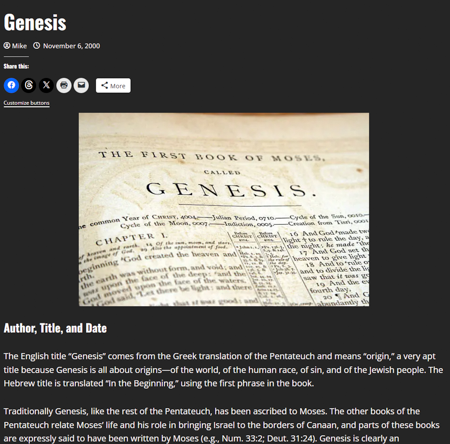
Books of The Bible – Introductions & Commentary
Introductions to the Books of the Bible provide essential context, authorship details, and thematic overviews for all 66 books of the Protestant canon, helping readers understand the historical background and literary structure of Scripture.
Resources on these pages include author, title and date information, and arrangement of the book, often with outlines. Genealogies, Key themes and general themes. History and salvation summaries. How science plays a role in the book and reading the book through the eyes of a 21st century reader. Literary features are discussed. Maps are included.
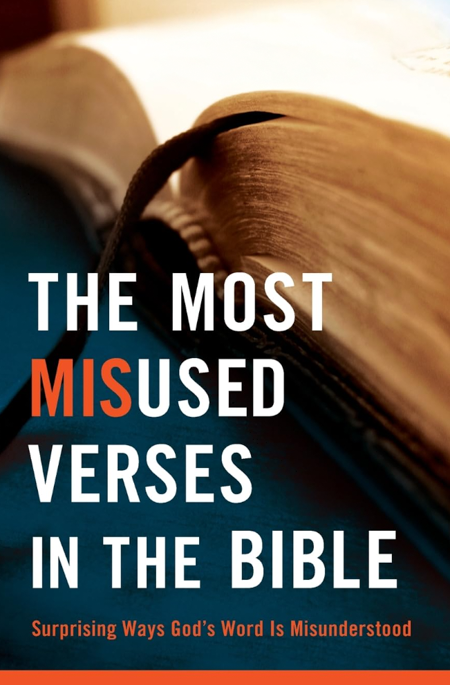
The Most Misused Verses in the Bible: Surprising Ways God’s Word Is Misunderstood – OLD TESTAMENT
A surprising number of well-known Bible verses are commonly misused and misunderstood. Whether intentionally or not, people take important verses out of context, and pastor and Bible scholar Eric J. Bargerhuff has seen the effects: confusion, faulty decisions, sin being dismissed, and more. With a deft touch, he helps readers understand and apply sound principles of interpretation and application of twenty familiar verses. This concise high-interest approach appeals to the curious as well as readers concerned about incorrect theology.
The Most Misused Verses in the Bible: Surprising Ways God’s Word Is Misunderstood – NEW TESTAMENT
A surprising number of well-known Bible verses are commonly misused and misunderstood. Whether intentionally or not, people take important verses out of context, and pastor and Bible scholar Eric J. Bargerhuff has seen the effects: confusion, faulty decisions, sin being dismissed, and more. With a deft touch, he helps readers understand and apply sound principles of interpretation and application of twenty familiar verses. This concise high-interest approach appeals to the curious as well as readers concerned about incorrect theology.
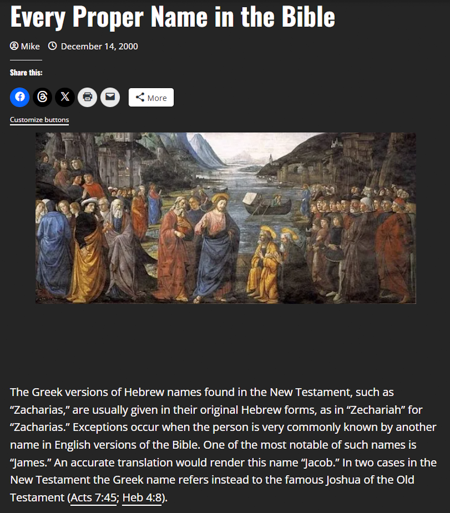
Every Proper Name in the Bible
The Greek versions of Hebrew names found in the New Testament, such as “Zacharias,” are usually given in their original Hebrew forms, as in “Zechariah” for “Zacharias.” Exceptions occur when the person is very commonly known by another name in English versions of the Bible. One of the most notable of such names is “James.” An accurate translation would render this name “Jacob.” In two cases in the New Testament the Greek name refers instead to the famous Joshua of the Old Testament (Acts 7:45; Heb 4:8).

Various Daily Reading Plans
Crossway ESV Daily Reading Plan
This is the Daily Bible Reading Plan that is published in the ESV Study Bible by Crossway. Similar to many plans, it provides for reading the NT and Psalms twice a year while reading the OT in a year. The plan is broken up into 4 sections:Gospels and Devotions, Chronicles and Prophets, Psalms and Wisdom Literature, Pentateuch and History of Israel
Robert Murray M’Cheyne Bible Reading Plan
The Robert Murray M’Cheyne Bible Reading Plan is a daily schedule devised in 1842 by the Scottish minister Robert Murray M’Cheyne (1813–1843) to guide readers through the entire Bible in one year. It assigns four chapters daily: two for Family worship (read aloud) and two for Secret (private) devotion. This structure ensures readers cover the Old Testament once, while reading the New Testament and Psalms twice annually, fostering a holistic view of Scripture by intertwining historical, prophetic, and devotional passages.
Crossway ESV Chronological Reading Plan
The Crossway ESV Chronological Reading Plan is a one-year study method that organizes the entire English Standard Version (ESV) Bible according to the historical order of biblical events rather than traditional canonical order. Edited by Andrew E. Steinmann, the plan divides Scripture into 8 distinct eras—ranging from Creation to the Acts of the Apostles—and structures the text into 365 daily readings.