
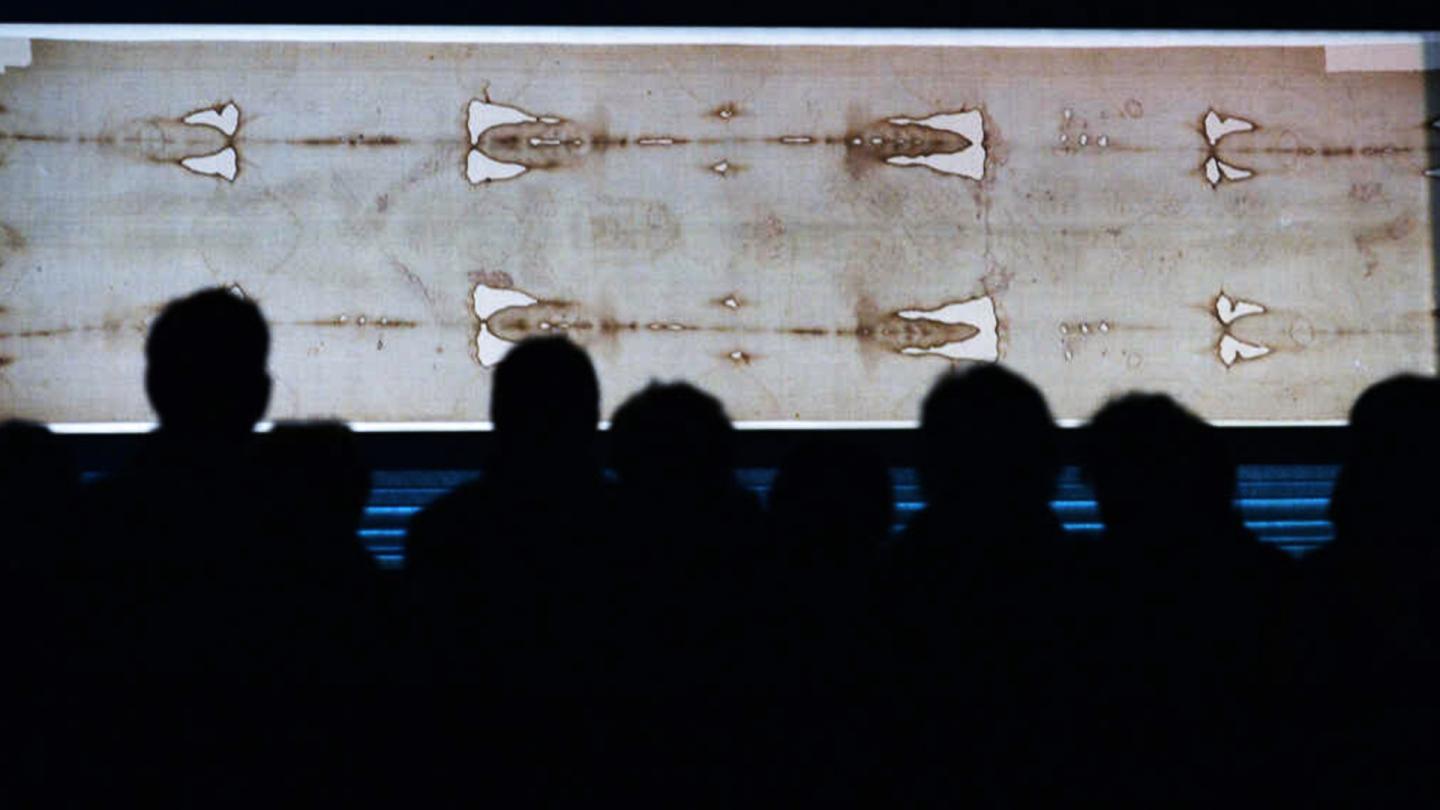
Dr. Jeremiah J. Johnston, author of the “Peace of God Bible,” is a staunch defender of the New Testament’s historical reliability. Although he once harbored deep skepticism regarding the Shroud of Turin, comprehensive research and scientific findings ultimately transformed his perspective, leading him to view the burial cloth as a powerful artifact supporting the Christian faith.
Historical Reliability and Archaeology
Johnston emphasizes that the New Testament is rooted in verifiable history rather than legend. To illustrate its accuracy, he notes that secular archaeologists frequently rely on biblical texts—specifically the Gospels of Matthew, Mark, Luke, and John, along with the Book of Acts and the writings of Josephus—to guide their excavations in Israel because they accurately depict first-century life.
“Christianity is the only religion that you can test against history, and it passes the test at every turn,” Johnston stated, highlighting that numerous evidence-based facts point directly to the life, death, and resurrection of Jesus.

The Shroud of Turin: From Skepticism to Conviction
As a scholar with a PhD who was taught that the Shroud of Turin was a medieval forgery, Johnston initially dismissed the artifact and omitted it from his previous writings on the resurrection. However, after engaging directly with multidisciplinary scientists and examining the evidence, his view shifted entirely.
He now describes the shroud as a unique physical testimony to Christ, noting several key scientific observations:
- No Artificial Pigments: Extensive analysis reveals no paint, dye, or coloring on the cloth.
- Biological Evidence: The shroud features genuine human blood of the AB Semitic type.
- Botanical Markers: Pollen spores trace directly back to the region of Jerusalem.
Today, Johnston considers the Shroud of Turin to be one of the greatest evangelism and discipleship tools in his ministry, bridging historical science with profound spiritual faith.