
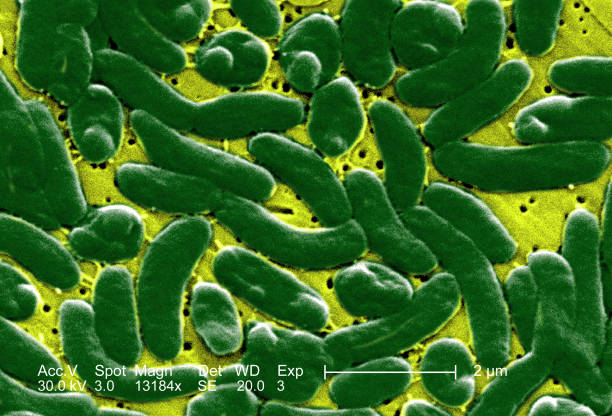
A potentially deadly “flesh-eating” bacteria, Vibrio vulnificus, has killed five people in Louisiana this year, marking a sharp rise from the state’s typical death toll of one death and seven cases per year.
Health officials are warning beachgoers to take extra precautions as these bacteria, found primarily in warm coastal waters, thrive in higher numbers from May to October. Infections occur when contaminated seawater enters an open wound or when individuals consume raw or undercooked shellfish, particularly oysters.
While healthy people generally experience only mild symptoms, those who are immunocompromised or have chronic liver disease face severe risks. Louisiana has reported nine cases this year—all linked to seawater exposure with open wounds in patients with existing medical conditions.
Vibrio vulnificus causes vibriosis, which can involve vomiting, diarrhea, abdominal pain, and severe skin infections characterized by fever, redness, pain, swelling, warmth, discoloration, and discharge. If the bacteria enters the bloodstream, it can lead to advanced illness marked by fever, chills, septic shock, and blistering skin lesions, and some severe cases progress to necrotizing fasciitis where the flesh around an open wound dies.
Approximately one in five people with this infection die, sometimes within a day or two of becoming ill, and severe cases may require intensive care, limb amputation, antibiotics, or surgery to remove dead tissue. To prevent infection, officials advise against entering warm saltwater or brackish water with open wounds, consuming raw seafood, or cross-contaminating foods, and recommend wearing protective gloves when handling raw shellfish.
WHAT IS VIBRIO VULNIFICUS
Vibrio vulnificus is a gram-negative bacterium found in warm, brackish coastal waters that causes severe, potentially fatal infections known as vibriosis. It is responsible for the majority of seafood-related deaths in the United States, with mortality rates reaching 50% for primary septicemia and 18% for wound infections.
The infection manifests in three primary forms: gastroenteritis (mild, self-limiting), wound infections (acquired through open wounds exposed to seawater), and primary septicemia (a rapid, overwhelming blood infection). Transmission occurs via consuming raw or undercooked shellfish (particularly oysters) or through direct wound contact with contaminated water.
Key clinical and epidemiological facts include:
- High-Risk Groups: Individuals with liver disease, diabetes, hemochromatosis, or compromised immune systems are at significantly higher risk for severe outcomes.
- Symptoms: These include fever, chills, low blood pressure, painful blisters, and rapid tissue destruction (necrotizing fasciitis).
- Treatment: Requires immediate medical intervention, including antibiotics (such as tetracyclines or cephalosporins) and often surgical debridement for wound infections.
- Prevalence: Infections are rare but increasing due to climate change, which allows the bacteria to thrive in warmer waters and expand its geographic range.