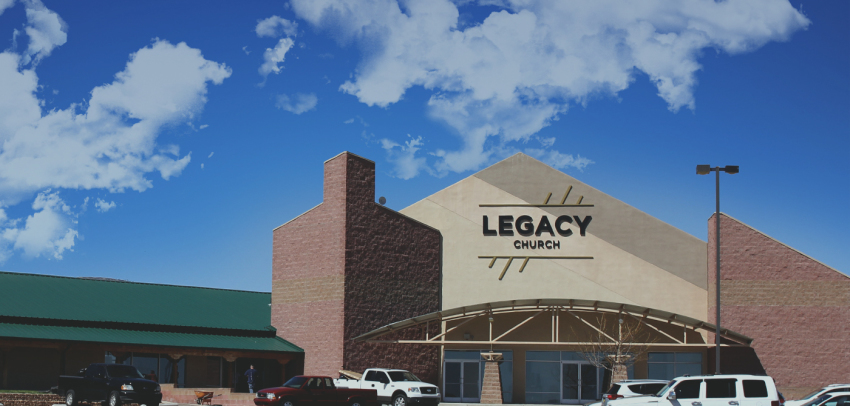
Legacy Church, a nondenominational megachurch with nine campuses across New Mexico, is facing renewed national scrutiny after its lead pastor, Steve Smothermon, publicly endorsed two Republican candidates ahead of the 2026 midterm elections. Smothermon formally backed Greg Cunningham in mid-August in his bid to unseat incumbent U.S. Representative Gabriel Vasquez (D-N.M.), praising Cunningham’s 14 years of service to the congregation and calling on church members to help flip the seat for biblical values. Nearly two months later, on October 6, Smothermon extended a similar social media endorsement to Republican gubernatorial candidate Gregg Hull, declaring that Hull should be New Mexico’s next governor and urging followers to vote in alignment with their faith.
The endorsements have reignited a high-stakes legal debate over the Johnson Amendment, a 1954 federal tax provision that prohibits 501(c)(3) tax-exempt nonprofits, including houses of worship, from endorsing or opposing candidates for public office. Defending his actions in a statement to The Guardian, Smothermon argued that federal restrictions on political speech are unconstitutional violations of free speech. He referenced the church’s frustration with state-mandated restrictions during the COVID-19 pandemic as a turning point against what he termed government overreach, adding that the church’s extensive social work earns its tax-exempt status regardless of federal speech constraints.
Political opponents quickly seized on the endorsements. The Democratic Congressional Campaign Committee (DCCC) condemned Cunningham for accepting the backing of an institution with a controversial track record, pointing to a 2020 criminal conviction involving the pastor’s nephew and a 2024 lawsuit alleging abuse at a church-affiliated treatment facility—allegations that Legacy Church and the facility have denied as spurious. The recent endorsements reflect a long-standing pattern for Legacy Church, which previously drew formal IRS complaints from the Freedom From Religion Foundation after distributing voter guides in 2014 and endorsing conservative candidates during the 2021 and 2022 election cycles.
This localized conflict underscores a broader federal push by the Trump administration to dismantle political speech restrictions on religious institutions. Following a 2017 executive order directing the Treasury Department to ease enforcement of the rule, the administration sought in 2025 to officially halt Johnson Amendment enforcement against pastors addressing their congregations. Although a federal court initially blocked that policy change, the Department of Justice filed an appeal in September 2026, leaving the future legal standard for church political activity hanging in the balance.