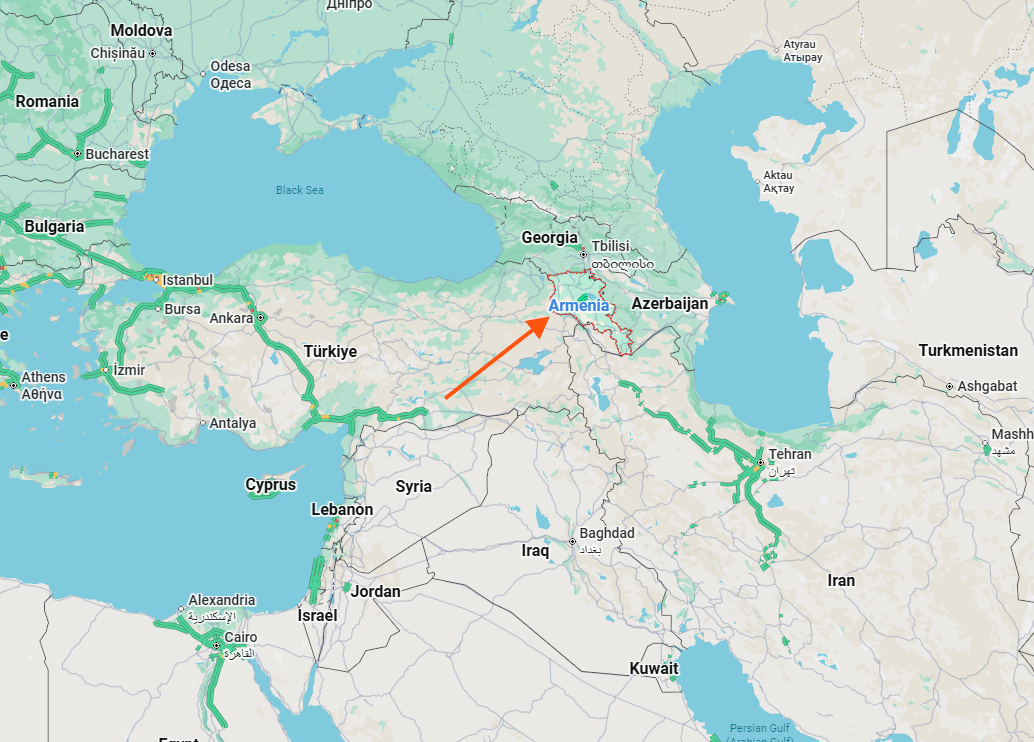

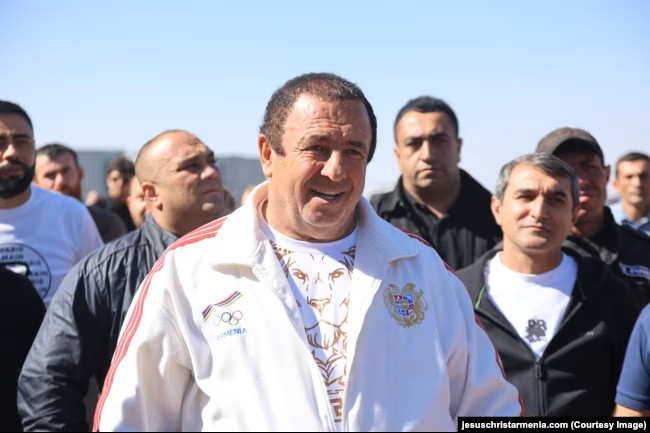
Despite significant resistance and extensive delays, construction has resumed on the mountaintop pedestal for what is projected to become the world’s largest statue of Jesus Christ. First announced in January 2022 by controversial Armenian businessman Gagik Tsarukian, the aluminum monument was conceived to symbolize revival and light for the Armenian people following the devastating conflict with neighboring Azerbaijan over the Nagorno-Karabakh region.
Set atop Mount Hatis, around 30 kilometers northeast of Yerevan, the statue and its pedestal are designed to rise to a total height of 101 meters—significantly taller than Rio de Janeiro’s iconic Christ the Redeemer (38 meters) and New York’s Statue of Liberty (93 meters). Originally slated for completion in 2025, the project’s tentative deadline has been pushed to 2027 following intense opposition from the Armenian Apostolic Church, which rejects Christ statues as idols inconsistent with traditional carved Khachkar cross stones.
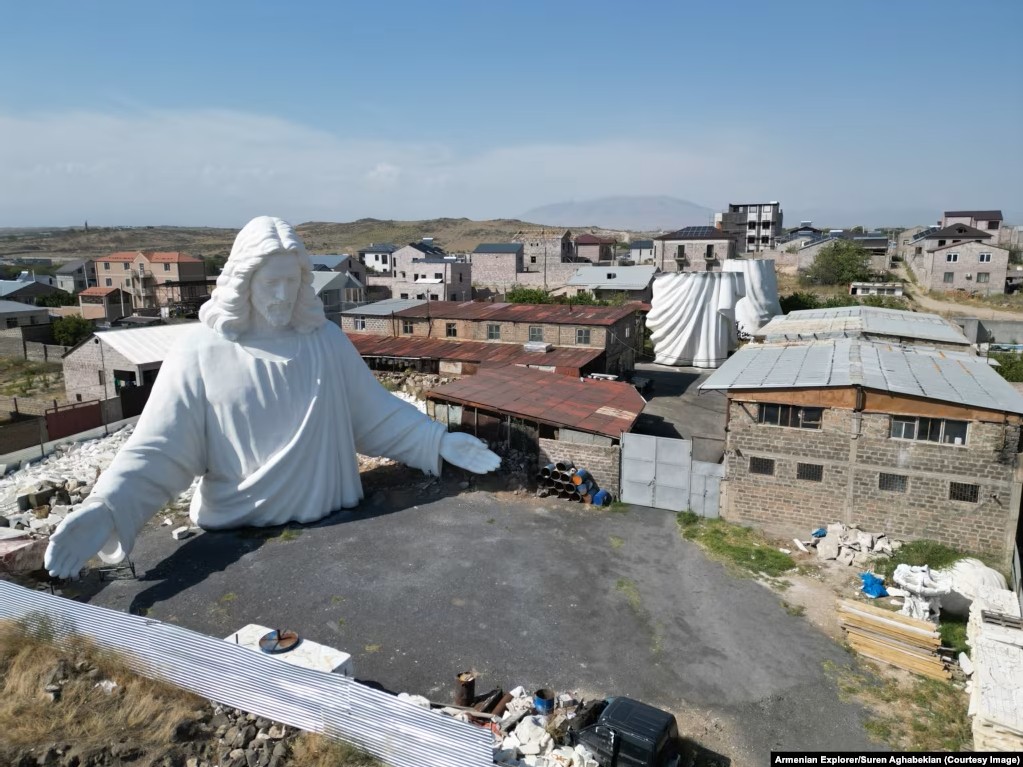

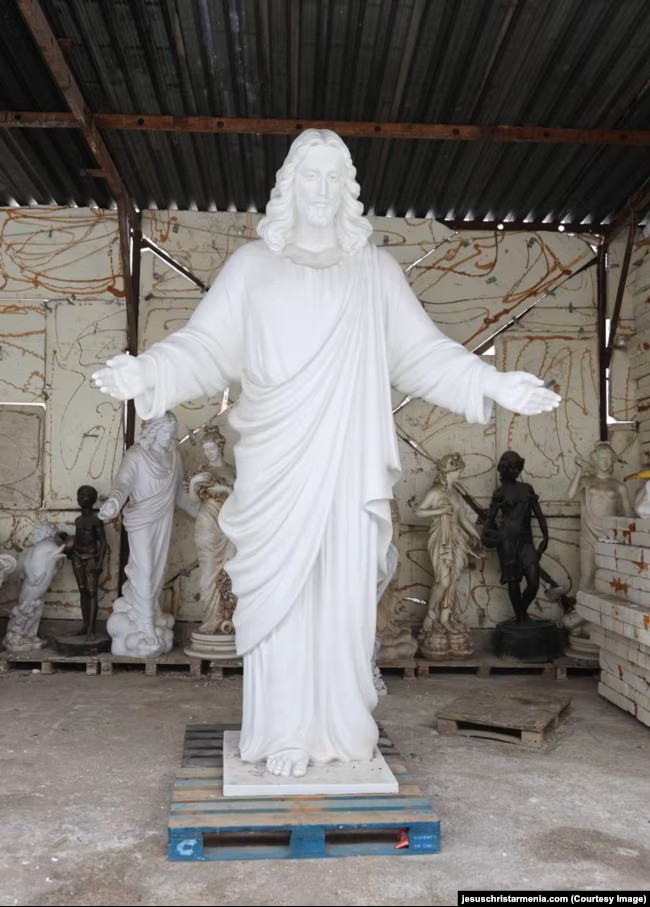
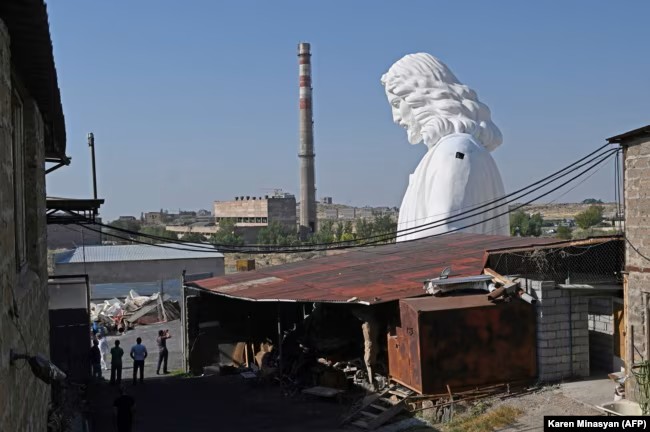

Additional complications arose when a July 2022 groundbreaking ceremony irreversibly damaged an ancient fortress on the summit, forcing culture officials to halt construction until the site was relocated several hundred meters down to a lower peak.
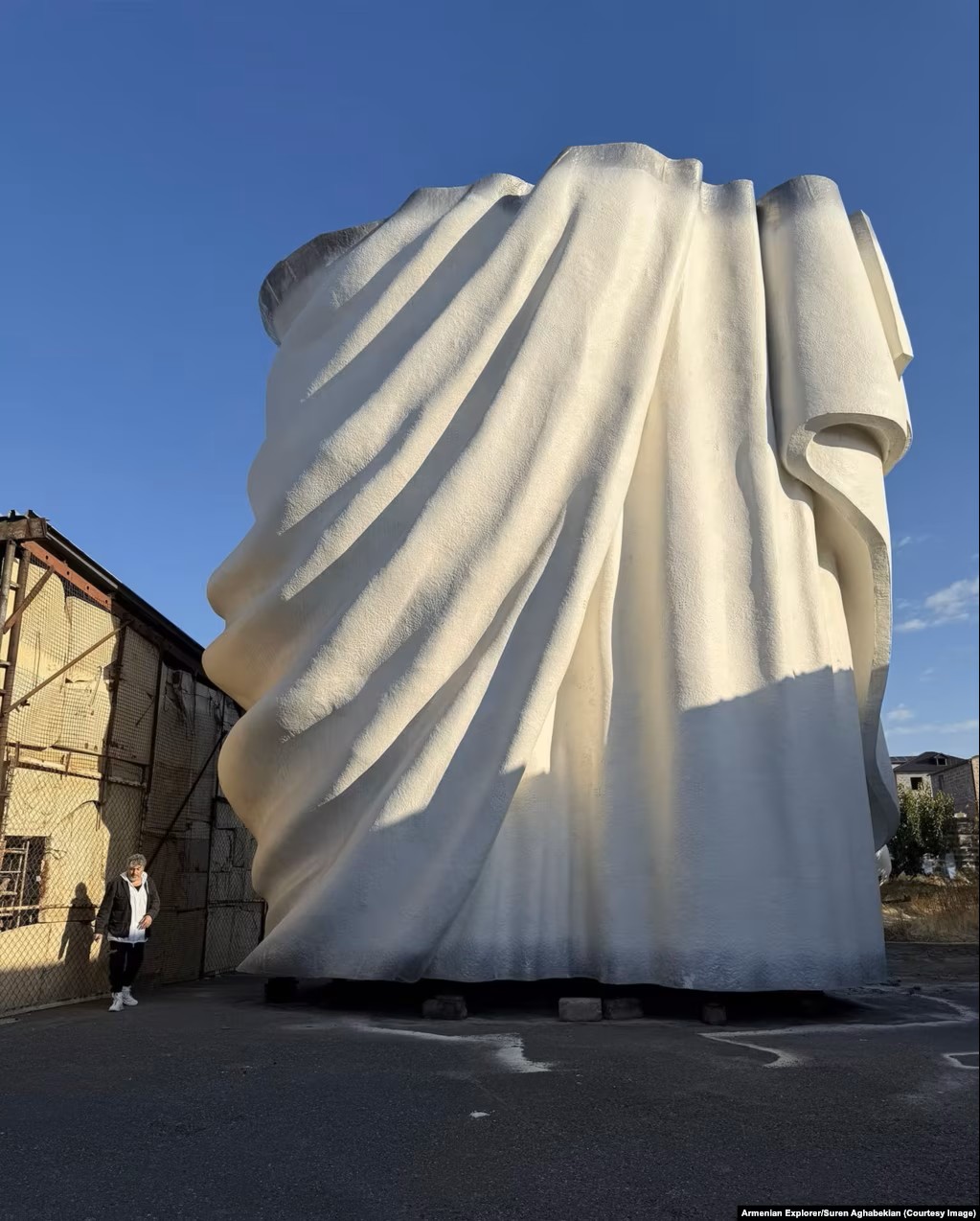
With permits reissued and foundation work underway on the lower site since September 2025, three massive sections of the Jesus statue currently sit in the village of Zovuni awaiting an eventual helicopter airlift to the mountaintop. Public reaction to the monument remains complex and divided. Internationally, the project has garnered enthusiasm, including viral social media praise from Irish MMA star Conor McGregor, and the open-air workshop in Zovuni is already attracting foreign tourists.
Domestically, however, criticism persists; analyst Richard Giragosian of the Regional Studies Center described the monument as a vanity project driven by Tsarukian’s ego, suggesting the capital would have been better spent as a donation to the church. While some local residents agree that the funds could have served a more practical purpose, others contend that as a privately funded endeavor, Tsarukian has the right to spend his money as he sees fit.