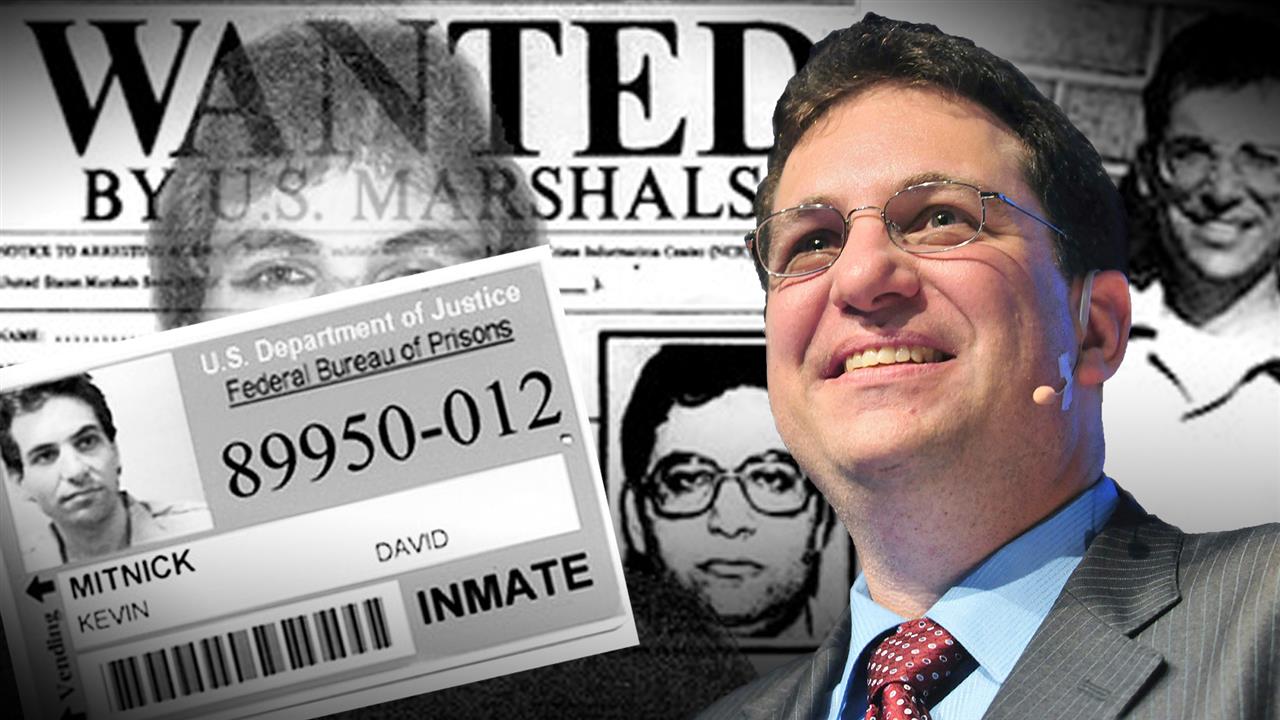
Kevin Mitnick became one of the most notorious hackers in U.S. history through a series of escalating intrusions into computer and phone systems that spanned roughly two decades. Here’s the detailed rundown:
Early Hacking (Teens, late 1970s–1980s)
Mitnick started young, engaging in “phone phreaking” — manipulating telephone systems to make free calls, reroute lines, and eavesdrop. As a teenager in the Los Angeles area, he was drawn into hacking through social circles and BBS (bulletin board) culture.
- 1981: At 17, he and friends physically broke into a Pacific Bell facility and stole technical manuals and computer codes — his first arrest.
- 1983: Arrested again for hacking into ARPANET (the precursor to the internet) through a computer at USC.
- 1987: Convicted for stealing software from a company called Santa Cruz Operation.
The DEC Break-In (1988)
Mitnick’s first major felony conviction came from breaking into Digital Equipment Corporation’s (DEC) computer network and copying their proprietary VMS operating system source code. He was arrested in 1988 and sentenced to a year in prison, followed by supervised release with strict conditions barring him from using computers or phones without permission.
Violating Parole and Going Underground (Early 1990s)
While on supervised release, Mitnick allegedly hacked into Pacific Bell’s voicemail systems. When a warrant was issued for a parole violation in 1992, he became a fugitive rather than face arrest, going on the run for about two and a half years.
The Fugitive Years (1992–1995)
During this period, Mitnick allegedly committed his most extensive hacking, breaking into networks of major companies including:
- Motorola
- Nokia
- Sun Microsystems
- Fujitsu
- Novell
- NEC
He reportedly used social engineering (tricking employees into giving up passwords or access) as much as technical exploits, and cloned cell phones to evade tracking while communicating.
The Manhunt and Capture (1995)
His downfall came when he hacked into the home computer of Tsutomu Shimomura, a computational physicist and security expert. Shimomura took the intrusion personally and helped the FBI track Mitnick using cellular signal triangulation. Journalist John Markoff covered the chase for the New York Times, adding to the media spectacle.
Mitnick was captured by the FBI on February 15, 1995, in Raleigh, North Carolina.
Legal Aftermath
- He was held without bail for nearly five years, partly pretrial — a controversial point civil liberties advocates seized on, since much of that detention happened before he was convicted.
- Prosecutors initially claimed damages in the hundreds of millions of dollars, though this figure was disputed by supporters as wildly inflated.
- In 1999, Mitnick pleaded guilty to charges including wire fraud and unauthorized access to computer systems.
- He was sentenced to 46 months, with time served counted, and released in 2000.
- His supervised release included unusual restrictions, initially barring him from using computers or the internet without permission for several years.
Aftermath
Mitnick became a cause célèbre for hacker culture and civil liberties groups (a “Free Kevin” movement sprang up), partly due to concerns about how long he was held pretrial and how his case was portrayed in media. After his release, he reinvented himself as a security consultant and public speaker, founded Mitnick Security Consulting, and wrote several books, including The Art of Deception and a memoir, Ghost in the Wires. He died in 2023 from pancreatic cancer complications.