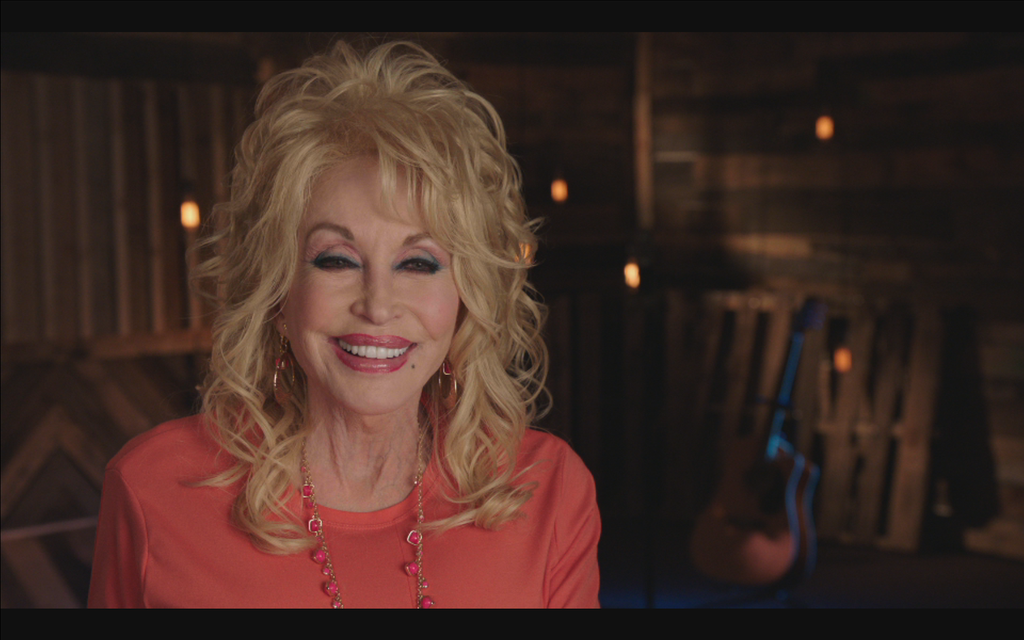
Dolly Parton, one of America’s most beloved and rare bipartisan cultural icons, died Tuesday at age 80. Throughout the divisive politics of the past decade, she remained determined not to take sides. She had her own opinions, but she resisted turning disagreements into enmity, relying instead on self-deprecating humor, warmth, and faith to defuse tension. In a culture that often rewards outrage, Parton offered a refreshing alternative.
She entered the country music scene as a songwriter before joining The Porter Wagoner Show in 1967. At just 21, the striking blonde from the mountains of East Tennessee, known for her towering hairstyles, quickly became a familiar face on television. Her voice, too, set her apart: a sweet, high-pitched Appalachian sound capable of moving from gospel classics to chart-topping duets.
What truly won people over, though, was not just her voice or larger-than-life image, but her story and character, a distinctive mix of hardship and joy. Parton was raised as one of twelve children in a one-room cabin in East Tennessee, without electricity or indoor plumbing. She sang in church, performed on local radio and television as a child, and moved to Nashville the day after graduating high school. Fame followed, but she never lost her gratitude or forgot her roots.
Julia Roberts once described filming Steel Magnolias with Parton during a scorching Louisiana summer. While the rest of the cast complained about the heat despite the heavy wigs and costumes, Parton did not. She explained simply that having achieved the fame and fortune she once dreamed of as a girl, she wasn’t going to complain about it. It was a small remark that captured something increasingly rare in public life: gratitude instead of grievance.
That same attitude shaped how she treated people. Parton was reluctant to publicly criticize anyone, even those she disagreed with politically, often noting that she counted friends on both sides of the aisle. When pressed to denounce controversial figures she’d been associated with, she declined, saying she could only speak for herself. She even seemed to enjoy that drag performers imitated her look, and she famously brushed off blonde jokes by pointing out that she wasn’t actually blonde.
None of this made her timid. Behind the rhinestones and exaggerated country persona was a shrewd businesswoman and prolific songwriter. By the end of her life, Dolly-branded products were everywhere, from doughnuts to jewelry to cast-iron cookware, and her image remained instantly recognizable and highly marketable.
She was also one of the most successful songwriters of her era and used her wealth and fame to help others. Perhaps her most significant legacy outside music was Dolly Parton’s Imagination Library, a literacy initiative she launched in 1995 in honor of her father, who never learned to read. What started as a small program mailing free books to children in her hometown grew into an international effort sending millions of books to kids each month.
She also showed up for her community directly. After wildfires devastated the Great Smoky Mountains in 2016, she established the My People Fund, which distributed more than twelve million dollars to families who lost their homes. Her impact was similarly felt through Dollywood: when she lent her name to an existing East Tennessee amusement park in 1986, attendance soared, and the park eventually became one of the nation’s most popular, providing major employment in the very region where she had grown up in poverty.
Parton achieved extraordinary wealth without appearing embarrassed by it, which may be part of why she remained so widely loved in a culture often quick to judge. She was successful without taking herself too seriously, glamorous without treating glamour as sacred, and altogether one of a kind.
She identified as Christian but described herself as more spiritual than religious, drawing on Bible stories she’d learned partly from her grandfather, a mountain preacher, to ground her music in both sorrow and joy. Her Grammy-winning song ‘There Was Jesus,’ a duet with Zach Williams, carries particular resonance now. If the Jesus she sang about and trusted in was real, then her unmistakable voice has something even better to sing about today.