The biblical text of the Priestly Blessing in Numbers 6:24–26 is traditionally dated to the period of the late Judean monarchy (First Temple Period), specifically the 7th century BCE.
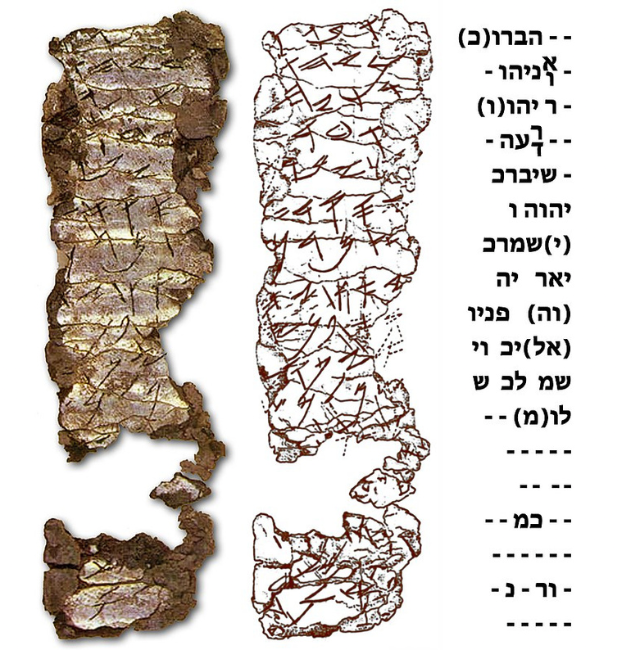
Ketef Hinnom Scrolls: Discovered in Jerusalem, these two small silver amulets contain the oldest known biblical text, dating to the late 7th century BCE (approximately 2600 years old).
Scholarly Consensus: Scholars, such as Jeremy Smoak, argue that the blessing’s linguistic parallels with other Iron Age inscriptions and its connection to the Jerusalem Temple support its composition and liturgical use during this era, well before the destruction of Jerusalem by the Babylonians.
This dating disproves earlier critical theories that the Torah was not written down until the 2nd century BCE.
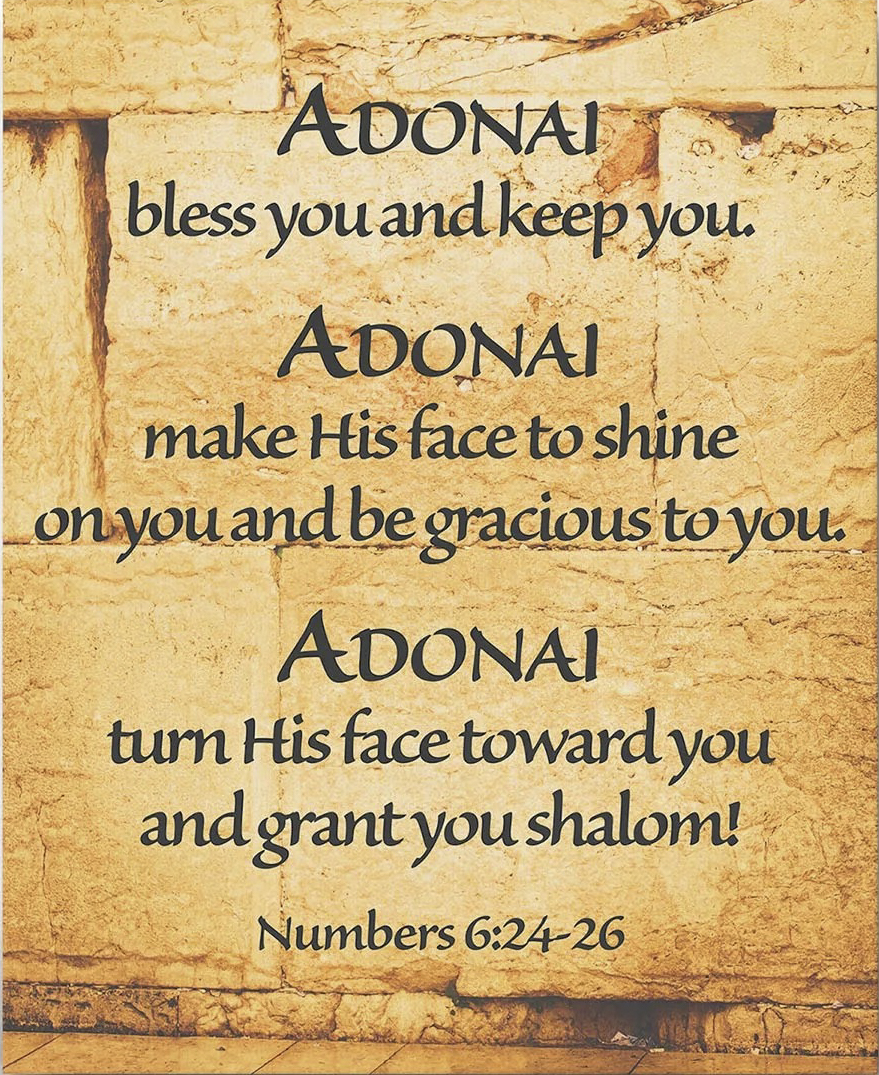
The Priestly Blessing (also known as the Aaronic Benediction) is found in Numbers 6:24-26 and was commanded by God to be spoken by Aaron and his sons, the priests, over the people of Israel. The text reads: “The Lord bless you and keep you; The Lord make His face shine upon you and be gracious to you; The Lord lift up His countenance upon you and give you peace.”
This threefold blessing serves several key theological and historical functions:
- Divine Protection and Favor: The blessing is not merely a wish but a divine promise invoking God’s active role as protector, provider, and source of grace. It emphasizes that God, not the priest, is the source of the blessing, with the priest acting as a mediator to place God’s name upon the people.
- Structure of Grace: The blessing is structured in three parallel lines, each beginning with “The Lord.” The first line focuses on concrete gifts like blessing and security; the second stresses hope and mercy through God’s gracious face; and the third asserts God’s attentive care, resulting in peace (shalom), which encompasses wholeness and harmony.
- Historical Significance: The text is ancient and central to Jewish liturgy, known in Hebrew as birkat kohanim. Archaeological evidence, such as the Ketef Hinnom silver scrolls from the 7th century BC, confirms the early use of this specific benediction for protection and apotropaic purposes.