
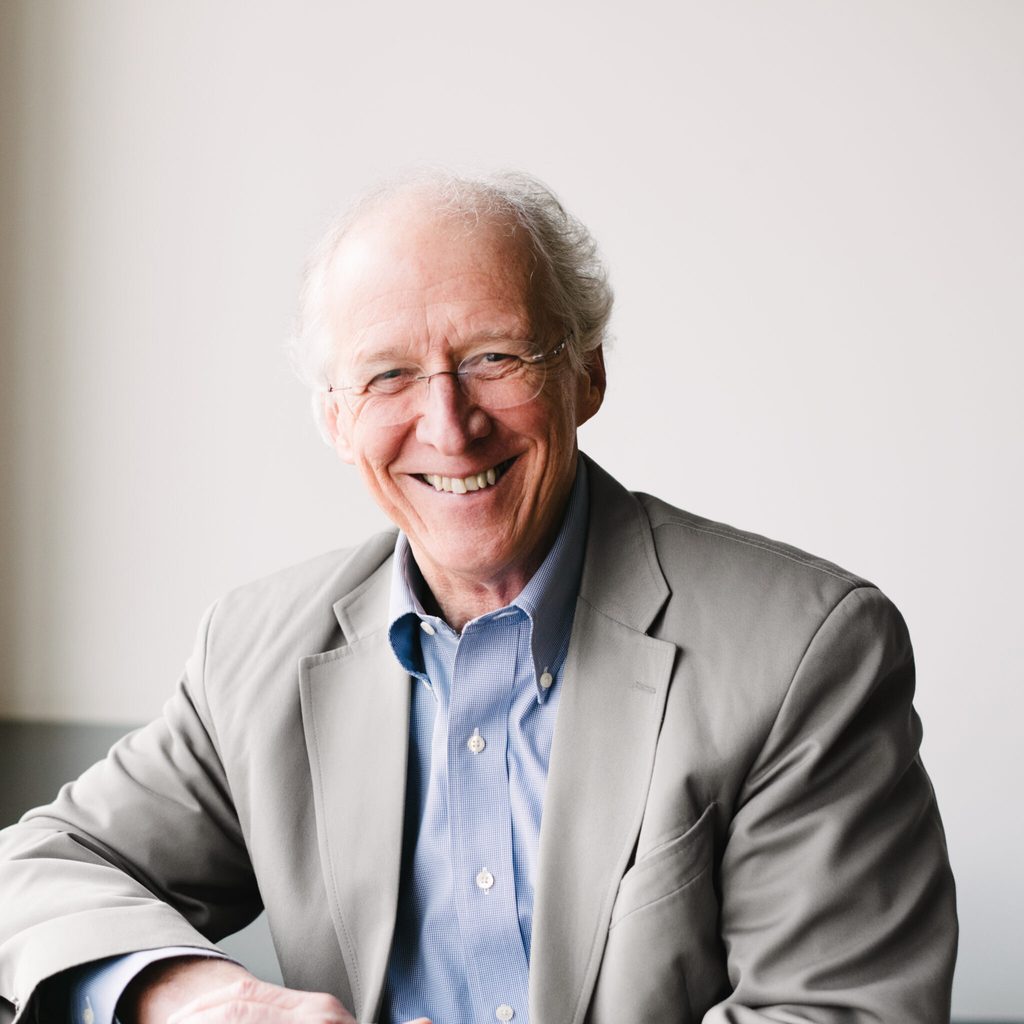
John Piper is an American Reformed Baptist theologian, retired pastor, and author known for his theology of Christian Hedonism, which posits that God is most glorified in humanity when people are most satisfied in Him. Born on January 11, 1946, he served as the senior pastor of Bethlehem Baptist Church in Minneapolis for 33 years (1980–2013) and currently serves as the chancellor of Bethlehem College & Seminary.
Piper is the founder of Desiring God, a global ministry that provides thousands of free Bible-saturated resources, including sermons, podcasts, and articles. He has authored over 50 books, including the bestseller Desiring God: Meditations of a Christian Hedonist (1986), and has donated all royalties from his works to support his ministry and educational institutions.
Key aspects of his life and work include:
- Theological Influence: He is a central figure in the “New Calvinism” movement and a council member of The Gospel Coalition, emphasizing the supremacy of God and the joy found in Christ.
- Academic Background: Piper holds degrees from Wheaton College, Fuller Theological Seminary, and a Doctor of Theology from the University of Munich, where he specialized in New Testament studies.
- Current Ministry: Since his retirement from pastoring, he has continued to teach full-time, producing the Look at the Book video series and answering questions through the Ask Pastor John podcast.
- Distinction: He is distinct from John Piper (artist) (1903–1992), a renowned English painter and printmaker.
The Imperative of Biblical Separation
The Bible stresses the critical importance of who believers choose to associate with, learn from, and maintain spiritual fellowship with. Scriptural warnings against corrupting influences are not mere hyperbole about potential temptation; Christians hold a clear biblical duty to separate from false teachers and persistently disobedient believers (Romans 16:17; 1 Corinthians 5:11, 16:22; Galatians 1:8–9; 2 Thessalonians 3:14–15; 2 John 7–11). As Proverbs 13:20 cautions, “Whoever walks with the wise becomes wise, but the companion of fools will suffer harm.” Standard commentary underscores that spiritual ruin inevitably comes to those who make companions of evil-doers.
While prominent Christian figure Dr. John Piper has demonstrated decades of sound exegetical practice, remained free of moral scandal, and preached foundational truth, a troubling accumulation of spiritual compromises has surfaced. Just as a leader can fall to a sudden moral crisis, a ministry can also suffer from “a thousand paper cuts”—a slow accumulation of errors that, when viewed together, signal serious spiritual danger.
Key Concerns Regarding Dr. John Piper
1. Departure into Continuationism
Piper’s continuationist stance regarding spiritual gifts presents a theological concern. Scripture presents a unified truth; as believers mature in sanctification, the Holy Spirit corrects theological error rather than fostering confusion. In a 1990 sermon, Piper claimed that modern prophecies do not carry the same divine authority as Scripture. However, claiming that God speaks directly to someone today, yet asserting that His modern words hold less authority than His written Word, introduces a logical contradiction.
2. Fascination with Charismatic Practices
Piper has shown a long-standing fascination with charismatic manifestations such as tongues, prophecy, and healings. To test these phenomena, he took 50 church members to a Vineyard Conference and engaged with modern charismatic figures like John Wimber and Paul Cain—the latter of whom Piper later acknowledged was a charlatan. Orthodox discernment requires testing doctrines against the written Word of God, not sending one’s flock into dangerous theological environments to experience them firsthand. As leader Phil Johnson noted in 2013, Piper has consistently hesitated to denounce charismatic excesses and has openly prayed for these manifestations in his own life.
3. Inconsistency on Biblical Roles for Women
While claiming adherence to complementarianism and 1 Timothy 2:12, Piper’s practice often contradicts his stated beliefs. He has carved out various exemptions for women teaching men in church settings. Furthermore, he regularly shares teaching platforms at major events—such as the Passion Conference—alongside female figures who function openly as pastors or preach from Sunday pulpits, including Beth Moore and Christine Caine. Aligning with those who disregard clear scriptural guidelines undermines his professed complementarian stance.
4. Endorsement of Mystical Prayer Practices
Piper has actively engaged with and endorsed Roman Catholic mystical practices such as Lectio Divina and Contemplative Prayer. When questioned about Contemplative Prayer—a practice rooted in non-Christian and mystical traditions—Piper minimized it as simply pausing while reading Scripture to apprehend spiritual reality. Diminishing a spiritually hazardous practice to mere quiet meditation displays a concerning lack of discernment for a seasoned pastor who ministers to thousands of impressionable young adults.
Compromised Associations and Final Exhortation
Ultimately, Piper’s willingness to partner spiritually with problematic figures at large youth events weakens the church’s defense of orthodoxy. Biblical separation serves as a visible boundary line to protect the flock and expose error. When a trusted leader repeatedly lends his credibility to false teachers, his own spiritual authority deteriorates. As the adage goes, dropping a clean glove into the mud does not make the mud clean; it only soils the glove.
Given these persistent patterns of theological ambiguity, compromised fellowship, and contradictory practices, believers seeking sound instruction should turn to teachers who demonstrate firm biblical discernment, preach consistent doctrine, and practice uncompromised biblical separation.