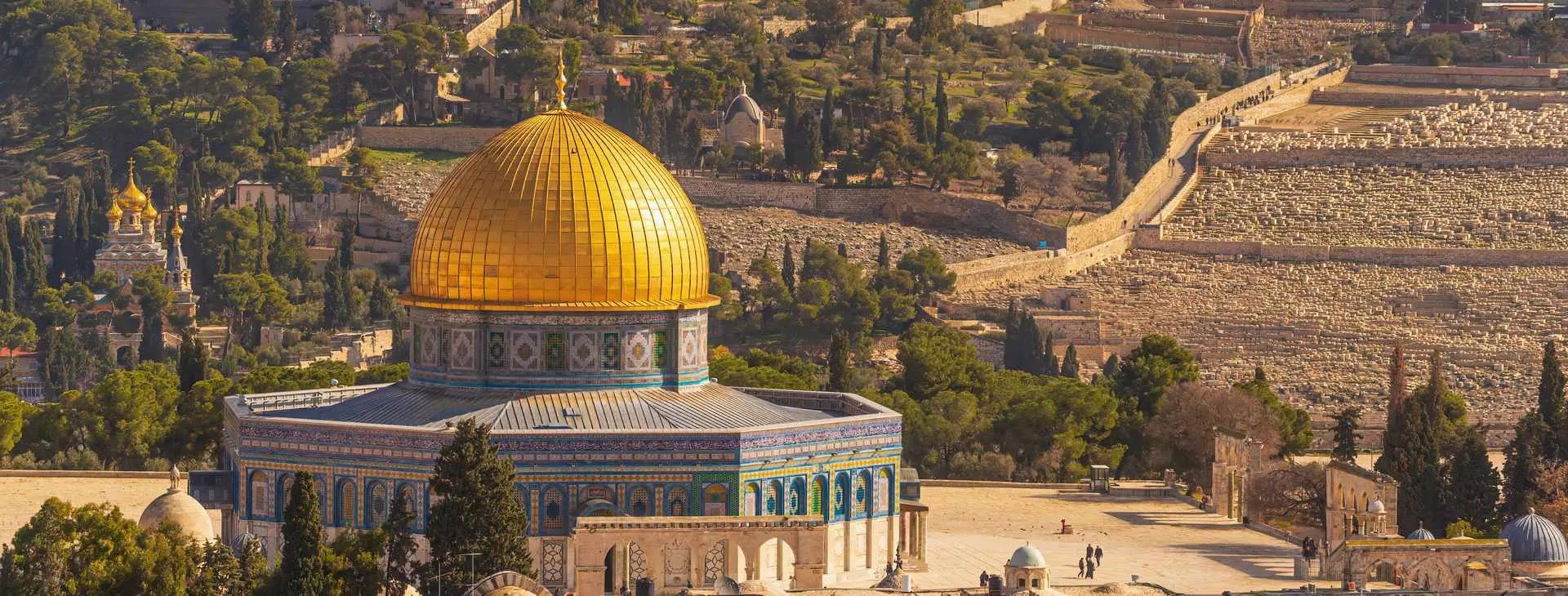
The Temple Mount (Hebrew: Har HaBayit; Arabic: al-Haram al-Sharif) is a walled elevated platform in the Old City of Jerusalem, revered as the holiest site in Judaism, the third holiest in Islam, and a significant location in Christianity. It is traditionally identified as Mount Moriah, the site where Abraham was tested by sacrificing his son Isaac, and the location of the First Temple built by King Solomon and the Second Temple later expanded by Herod the Great.
Historical and Religious Background
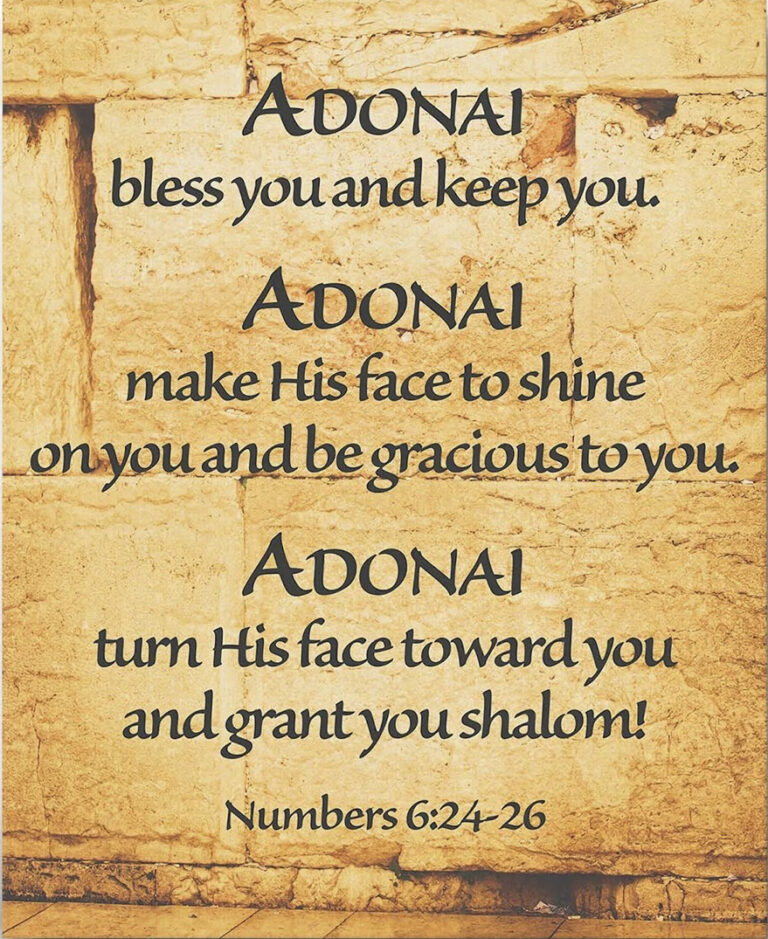
- Jewish History: The site served as the center of Jewish worship from circa 957 BCE when Solomon built the First Temple, until its destruction by the Babylonians in 586 BCE. The Second Temple, completed in 516 BCE and expanded by Herod, stood until its destruction by the Romans in 70 CE. The Western Wall, a remnant of the Second Temple’s retaining wall, remains the holiest place where Jews are permitted to pray.
- Islamic History: After the Arab conquest of Jerusalem in 638 CE, the site became known as the Noble Sanctuary. In 691 CE, the Dome of the Rock was constructed by Caliph Abd al-Malik, and the Al-Aqsa Mosque was built nearby. Muslims believe the rock inside the Dome of the Rock is the spot from which the Prophet Muhammad ascended to heaven during the Night Journey.
- Modern Status: Since the Six-Day War in 1967, the site has been under Israeli sovereignty but administered by the Muslim Waqf (religious trust). While Jews and other non-Muslims are permitted to visit, Jewish prayer is currently forbidden on the mount, a status quo that remains a focal point of political and religious tension.
Bonus: