
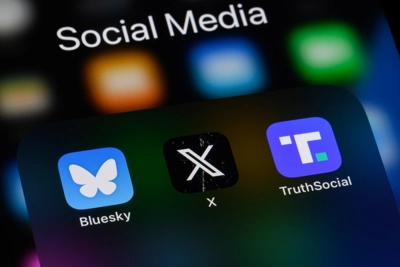
Ignoring harmful ideologies on social media or dismissing them as merely “fringe” does not neutralize them; instead, left unchallenged, they steadily gain influence. Over the past several years, a deep moral and spiritual decay has spread across digital platforms—most notably X (formerly Twitter)—accelerating the ideological radicalization of younger generations, particularly along gender lines. While the COVID-19 pandemic acted as an inflection point, the rapidly evolving social media landscape has actively fueled this division.
When Elon Musk acquired Twitter, there was cautious optimism that lifting the previous administration’s heavy-handed censorship would allow stifled, mainstream debates to resurface. Previously, authentic news stories and basic biological statements—such as assertions that men are not women—led to account freezes and permanent bans for outlets and journalists like The Christian Post, The Babylon Bee, and Meghan Murphy, even while overt calls to violence by figures like the Iranian Ayatollah went unpunished. Musk’s takeover initially restored free expression and reinstated previously banned voices, creating a far more open digital public square.
However, unrestricted speech paired with algorithmic amplification and monetization created a severe unintended consequence. Freed from moderation, bad actors began flooding the platform with overtly racist, chauvinistic, and antisemitic content—often cloaking their rhetoric in Christian imagery and hashtags like #ChristIsKing. Because X’s algorithm rewards outrage and sensationalism with massive view counts, inflammatory voices gained far more traction than thoughtful commentary. Following the October 7 terrorist attacks, this hostility escalated dramatically, with white supremacists and Holocaust deniers aggressively targeting users who pushed back against antisemitism.
As the platform’s demographics shifted—with many progressives migrating to alternatives like Bluesky—mainstream conservatives and everyday users found themselves sharing digital space with an emboldened far-right fringe. Ideological bad actors are now deliberately exploiting the grievances of disaffected young people, particularly young men, encouraging them to blame women, racial minorities, and Jewish people for their struggles.
For pastors and ministry leaders who are largely offline, the scale of this crisis is far greater than it may appear. Online grifters masquerading as religious leaders have amassed massive followings among struggling youth, monetizing a distorted, vengeful, and hateful version of Christianity. While these extremists remain a minority amplified by viral algorithms, they are actively validating the worst caricatures ever leveled against believers, requiring Christians to recognize the threat and confront it with wisdom and moral courage.