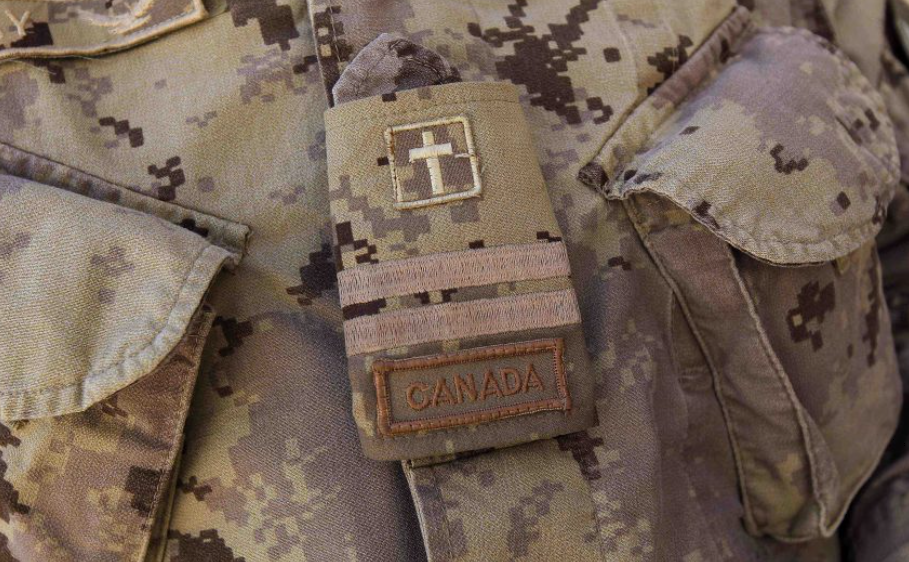
The Canadian Armed Forces recently implemented a policy prohibiting military chaplains from using religion-specific language or mentioning God during public events, such as parades and change-of-command ceremonies. Released on July 29, the directive instructs chaplains to offer “spiritual reflections” instead of traditional prayers to uphold state religious neutrality. While the rules do not apply to funerals or voluntary worship services, they extend to all military members making public remarks.
The policy has drawn sharp criticism from Christian leaders, conservative politicians, and military faith advisers who argue that it undermines the core identity and purpose of diverse chaplains. Retired chaplain Terry Cherwick and Bishop Scott McCaig argue that the mandate disrespects religious beliefs and restricts conscience rights by forcing chaplains to separate their spiritual well-being from God. Critics also point out that the restrictions strip away historical traditions and function as a secular limitation on public speech.
Conversely, the Department of National Defence defended the guidelines as an effort to foster inclusivity and bring diverse military members together, citing a 2015 Supreme Court decision on state religious neutrality. Department representatives emphasized that the policy does not limit a chaplain’s ability to provide personal spiritual care or lead voluntary services. Meanwhile, some former chaplains note that platform prayers are only one aspect of ministry, suggesting that personal presence and one-on-one pastoral relationships remain the most vital tools for military faith leaders.