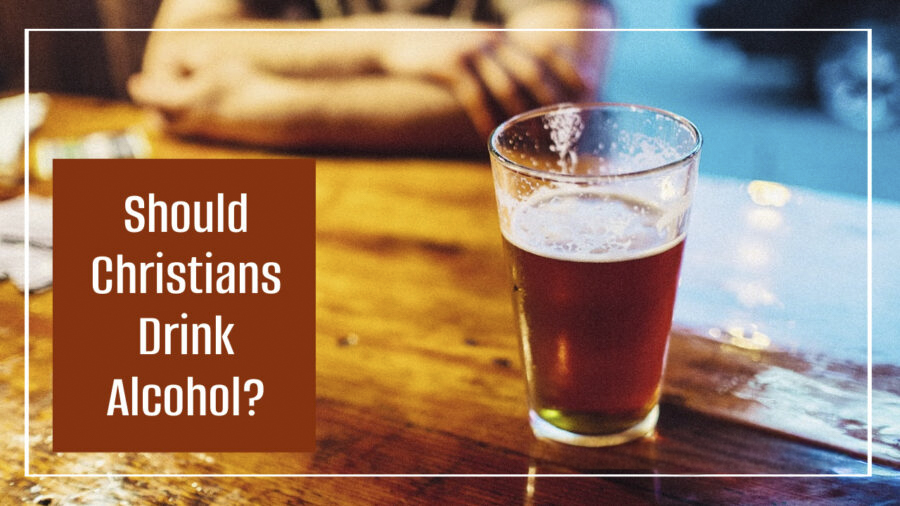
The Bible never declares the mere act of drinking alcohol to be a sin. Scripture instead presents wine as an ordinary element of daily life and, in some cases, a positive gift from God that can bring gladness to the human heart. Psalm 104 speaks of wine that “gladdens the heart of man,” Jesus performed His first public miracle by turning water into wine at a wedding feast in Cana, and the apostle Paul later advised Timothy to take a little wine for the sake of his stomach and frequent ailments.
Proverbs 20:1-2
Wine is a mocker, strong drink a brawler, band whoever is led astray by it is not wise.
These passages stand in clear contrast to any notion of total prohibition. What the Bible does condemn, repeatedly and without qualification, is drunkenness—the deliberate surrender of self-control, judgment, and responsibility to alcohol. The decisive line, therefore, is not drawn between those who abstain and those who drink, but between those who exercise restraint and those who lose control.
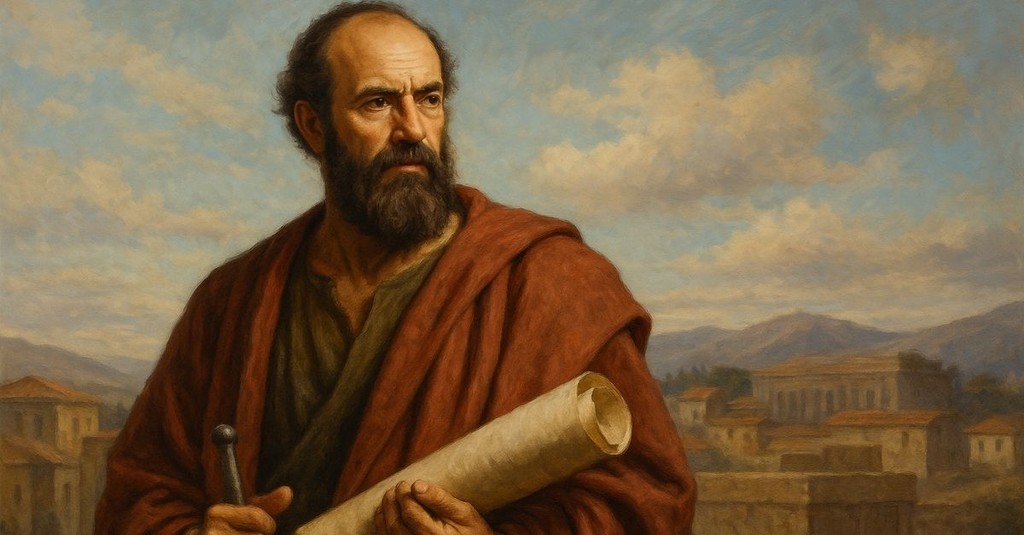
The Apostle Paul on Drinking
Romans 13:13
Let us walk properly as in the daytime, not in orgies and drunkenness, not in sexual immorality and sensuality, not in quarreling and jealousy.
Galatians 5:19
Now the works of the flesh are evident: sexual immorality, impurity, sensuality, idolatry, sorcery, enmity, strife, jealousy, fits of anger, rivalries, dissensions, divisions, envy, drunkenness, orgies, and things like these. I warn you, as I warned you before, that those who do such things will not inherit the kingdom of God.
Ephesians 5:18
And do not get drunk with wine, for that is debauchery, but be filled with the Spirit,
This distinction reframes the entire discussion for believers. Christian freedom is real, yet it is never absolute or self-centered. A person who chooses to drink must first examine personal and family history with ruthless honesty. Addiction does not announce itself in advance; it often begins with casual social drinking and slowly becomes a trap. Scripture warns against allowing the heart to become weighed down so that life closes in like a snare.
Those who know they are vulnerable—or whose family line carries a strong predisposition—are wise to set the glass aside rather than test the boundary. Second, freedom must be exercised with the welfare of others in view. Paul is emphatic that liberty must never become a stumbling block to a weaker brother or sister. It is better to forgo a drink than to risk encouraging someone still fighting addiction or a young believer whose conscience is still forming. Third, any drinking that does occur must remain firmly within the bounds of moderation. The moment the aim shifts from enjoyment to intoxication, the biblical line has already been crossed.
1 Timothy 5:23
No longer drink only water, but use a little wine for the sake of your stomach and your frequent ailments.
Many sincere Christians therefore choose complete abstinence, and their reasons deserve thoughtful respect rather than dismissal. Some have watched alcohol erode marriages, health, careers, and faith in people they love, and they conclude that the personal freedom is not worth the potential cost to those who follow. Others prioritize their public witness, recognizing that a drink rarely strengthens anyone’s association with Christ and that an alcohol-related failure can quickly damage credibility, especially for leaders whose example carries extra weight. Still others simply prefer to remove the risk entirely so that no one coming after them is placed in harm’s way. These are matters of personal conviction, not divine command, and they should be held with humility rather than superiority.
In the end, the mature response holds both freedom and responsibility in tension. Believers who abstain do so out of care and conscience; those who drink do so within clear guardrails and with open eyes. In either case, the issue must never become a dividing wall that fractures fellowship. Churches contain people of sincere faith on both sides of the question, and most of them love Jesus with equal devotion. The wisest course is to keep the focus where it belongs: on self-control, love for others, and the kind of freedom that builds up rather than tears down.
THREE CONDITIONS FOR CHRISTIANS THAT DRINK
Drink only if addiction is not a trap waiting for you
Be ruthlessly honest about your own wiring and your family history. If addiction runs through generations of your family, what feels like harmless freedom for someone else may be a snare for you. Scripture warns against letting your heart grow weighed down so that life closes in on you like a trap. Some people can take it or leave it. Others cannot, and pretending otherwise is how the trap springs. Knowing which one you are is an act of wisdom, not weakness.
Drink only if it will not cause someone else to stumble
Christian freedom was never meant to be exercised in a vacuum. Paul is blunt about it. You were called to freedom, but not freedom that serves yourself at the expense of a brother or sister. It is better to set down the glass than to let your liberty become someone else’s downfall, especially a younger believer or a person fighting their own battle with alcohol. Sometimes the most mature use of a freedom is choosing not to use it.
Drink only in moderation, never to get drunk
This is where the Bible draws its hard line. Carousing, drunkenness, and reckless drinking belong to a way of life Scripture calls believers out of, not into. Moderation is not a loophole. It is the whole point. The moment the goal becomes getting drunk, the line has already been crossed.
FAQ
Is drinking alcohol a sin according to the Bible?
No. Scripture never calls drinking alcohol itself a sin. What it consistently condemns is drunkenness and the loss of self-control that comes with it.
Did Jesus drink wine?
Yes. Jesus turned water into wine at the wedding in Cana and shared wine with his disciples. Wine was a normal part of life in his cultural and historical setting.
Can a Christian drink alcohol and still honor God?
Yes, when it is done within clear boundaries: no addiction risk, no causing others to stumble, and always in moderation rather than to get drunk.
Why do some Christians choose not to drink at all?
Many abstain to protect their witness, to guard against addiction in themselves or their family line, or to avoid causing a weaker believer to stumble. It is a matter of conviction rather than command.
Should pastors and church leaders drink alcohol?
Scripture sets a high bar for leaders. Because their example carries extra weight, many leaders choose to abstain or drink with particular discretion to protect their influence and those they shepherd.