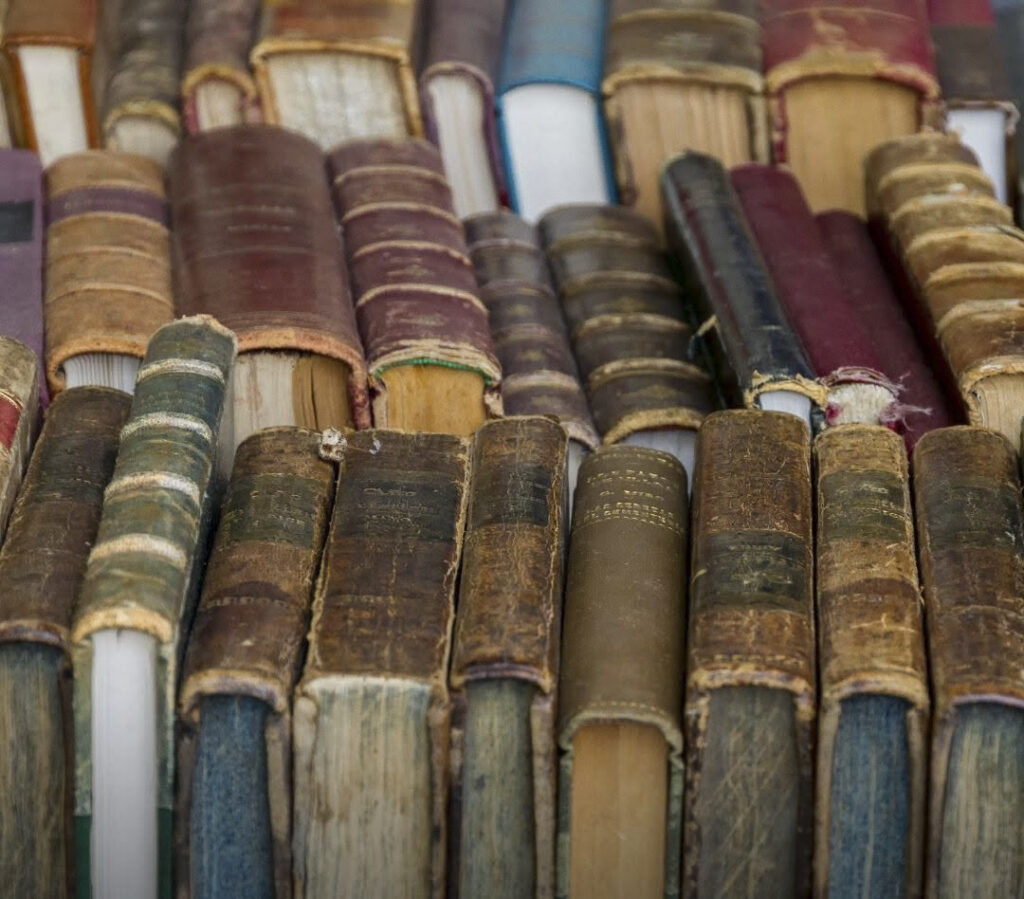
Authors, archivists, historians and bibliophiles are increasingly alarmed by evidence that technology companies and artificial intelligence developers are purchasing rare, antique and out-of-print books in large quantities, scanning them to train large language models and then destroying the original physical copies. The controversy intensified after documents unsealed in a lawsuit involving Anthropic revealed that the company had purchased millions of books, hired contractors to remove their bindings, rapidly scan the pages and shred the originals as part of an initiative known as “Project Panama.” Reports of a sharp increase in purchases of older physical books have since fueled suspicions among booksellers that AI companies are behind the demand.
Investigations have suggested that the practice extends beyond ordinary used books to rare and potentially irreplaceable works. 404 Media reported that a rare-book dealer received an order for nearly 1,000 books and, with reporters, placed an Apple AirTag inside one shipment. The package was tracked from California through several locations before reaching an Amazon-owned warehouse identified as “VGT3,” where the investigation found evidence of industrial-scale book scanning. Employees reportedly described jobs in which their primary task was simply scanning books.
AI companies have turned to physical books largely because they offer advantages over digital sources. Pirated online archives and “shadow libraries” have exposed technology companies to copyright lawsuits, while purchasing a physical book provides legal ownership of that particular copy. Physical books also give AI developers access to niche, specialized and out-of-print works that may exist nowhere else digitally. Older books can additionally provide human-written material untouched by AI-generated content, offering the long-form writing, reasoning, narrative structure and carefully edited language developers want for training increasingly sophisticated models.
The practice remains legally permissible under the framework described in the source. The first-sale doctrine generally allows the owner of a lawfully purchased physical book to dispose of that copy, including destroying it, while previous court decisions have found that converting a legally purchased book into a digital file for internal AI training can qualify as transformative fair use. Critics, however, argue that technology companies are exploiting physical ownership as a legal loophole to create massive digital training datasets without compensating authors and other creators.
The full scale of the destruction remains unknown. Court documents from the Anthropic case indicated that the company planned to scan between 500,000 and 2 million books during a six-month vendor contract, with internal documents describing an ambition to “destructively scan all the books in the world.” Meanwhile, 404 Media reported that anonymous bulk orders have ranged from roughly 1,000 to 1 million books, while used booksellers in the United States, United Kingdom and Europe have reported increasingly large purchases of seemingly random nonfiction and out-of-print titles.