
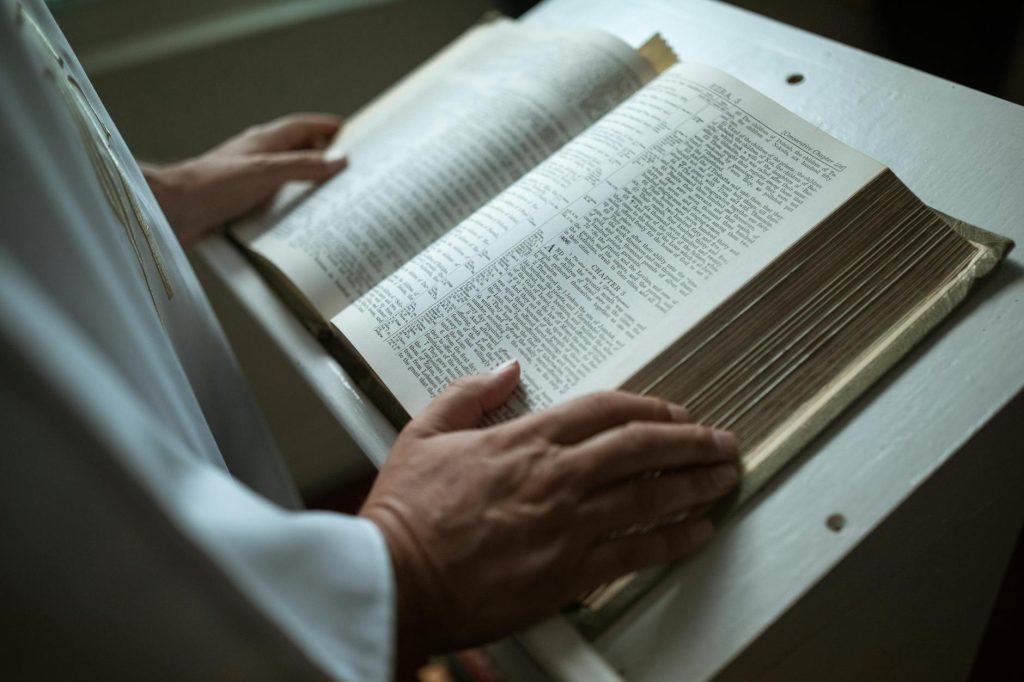
A recent survey by Lifeway Research reveals a growing shift in how Protestant churchgoers in the United States view biblical authority. Comparing data from September 2025 to a previous study in September 2019, researchers found that an increasing number of regular church attendees believe certain biblical teachings can become outdated or flexible. Specifically, 28% of respondents agreed that cultural changes make some biblical truths obsolete—an increase from 24% in 2019. Additionally, 34% stated that they accept only select portions of the Bible that align with their personal beliefs, up from 30% six years prior.
This shifting perspective is most pronounced among younger generations. Adults aged 18 to 29 were significantly more likely to view biblical truths as adaptable or obsolete, with 54% of this demographic agreeing with the sentiment compared to just 13% of those aged 65 and older. Furthermore, 87% of young adult churchgoers felt that the meaning of God’s Word can vary depending on the individual. Scott McConnell, executive director of Lifeway Research, noted that embracing unchanging truth presents a major challenge in modern culture, contrasting shifting societal norms with the unchanging nature of Scripture.
Despite these changing views on absolute truth, engagement with the text remains high. Over half of respondents (56%) admitted to finding independent Bible reading challenging, though 91% still reported being able to find personal relevance in the passages they read. Complementing these findings, a separate “State of the Church” report by the Barna Group and Gloo highlighted that while Bible readership has reached a 15-year high, belief in its complete accuracy has declined. Experts emphasize that these trends underscore a critical need for church leaders to foster deeper, more durable engagement habits as modern audiences navigate complex questions of faith and scripture.