
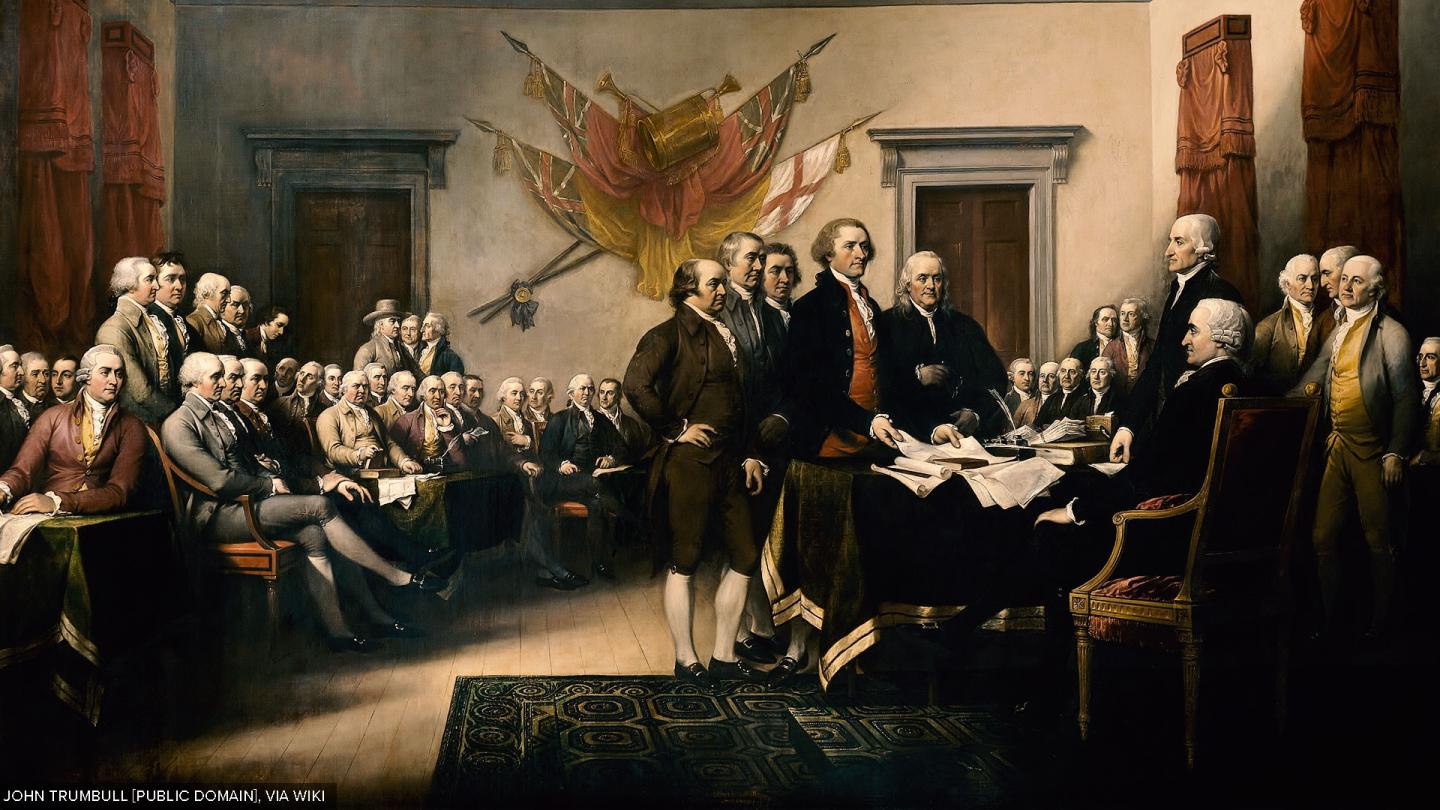
As America marks its 250th anniversary, much attention is given to iconic founding moments like the signing of the Declaration of Independence, the writing of the Star-Spangled Banner, and the drafting of the Constitution. One powerful but often overlooked event is a pivotal prayer to Jesus Christ offered at a critical juncture in the nation’s birth.
Just days after the Continental Congress declared independence from Britain on July 4, 1776, it appointed its first official chaplain on July 9: Reverend Jacob Duché.
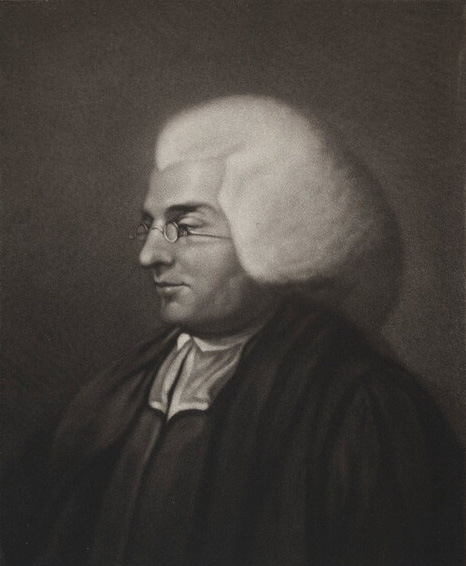
Duché had previously played a key unifying role in 1774 during the First Continental Congress. He opened the session by reading Psalm 35 — “Plead my cause, O Lord, with them that strive with me: fight against them that fight against me” — and then delivered a heartfelt prayer seeking God’s guidance and blessing. This moment helped bring the colonies together spiritually and emotionally, two years before they would formally declare independence.
This early prayer stands as a powerful reminder of the faith that shaped the founding era.
Here is the text of that famous prayer from September 7, 1774, provided by the Office of the Chaplain of the United States House of Representatives:
O Lord our Heavenly Father, high and mighty King of kings, and Lord of lords, who dost from thy throne behold all the dwellers on earth and reignest with power supreme and uncontrolled over all the Kingdoms, Empires and Governments; look down in mercy, we beseech Thee, on these our American States, who have fled to Thee from the rod of the oppressor and thrown themselves on Thy gracious protection, desiring to be henceforth dependent only on Thee. To Thee have they appealed for the righteousness of their cause; to Thee do they now look up for that countenance and support, which Thou alone canst give. Take them, therefore, Heavenly Father, under Thy nurturing care; give them wisdom in Council and valor in the field; defeat the malicious designs of our cruel adversaries; convince them of the unrighteousness of their Cause and if they persist in their sanguinary purposes, of own unerring justice, sounding in their hearts, constrain them to drop the weapons of war from their unnerved hands in the day of battle!
Be Thou present, O God of wisdom, and direct the councils of this honorable assembly; enable them to settle things on the best and surest foundation. That the scene of blood may be speedily closed; that order, harmony and peace may be effectually restored, and truth and justice, religion and piety, prevail and flourish amongst the people. Preserve the health of their bodies and vigor of their minds; shower down on them and the millions they here represent, such temporal blessings as Thou seest expedient for them in this world and crown them with everlasting glory in the world to come. All this we ask in the name and through the merits of Jesus Christ, Thy Son and our Savior.
Amen
Reverend Jacob Duché
Rector of Christ Church of Philadelphia, Pennsylvania
September 7, 1774, 9 o’clock a.m.
https://chaplain.house.gov/archive/continental.html
BIOGRAPHY: Reverend Jacob Duche’
Rev. Jacob Duché (1737–1798) was an American Anglican clergyman best known for delivering the first prayer before the Continental Congress on September 7, 1774, and serving as the first official chaplain of Congress in 1776. His legacy is marked by a dramatic shift from revolutionary hero to accused traitor.
Early Life and Patriotism
Born in Philadelphia to a prominent family, Duché was educated at the College of Philadelphia (now the University of Pennsylvania) and Cambridge University. As the rector of Christ Church and St. Peter’s, he gained respect across denominations. In 1774, at the suggestion of Samuel Adams, he opened the First Continental Congress with a powerful extemporaneous prayer that deeply moved delegates, including John Adams. Following the Declaration of Independence, he committed an act of treason against Britain by removing prayers for King George III from the church liturgy, leading to his appointment as Congress’s first chaplain in July 1776.
Controversy and Exile
Duché’s fortunes reversed during the British occupation of Philadelphia in 1777. After being briefly detained by British forces, he wrote a letter to George Washington in October 1777 urging him to cease hostilities and seek reconciliation with Britain. Condemned as a traitor by Congress and convicted of high treason by Pennsylvania, his estate was confiscated, and he fled to England. There, he served as a chaplain to an orphan asylum and became a preacher within Loyalist circles. He returned to Philadelphia in 1792, living quietly until his death in 1798.