
Often described as an abuse crisis critic by the mainstream media, it is more accurate to say he believes local law enforcement should be the first point of contact when an abuse charge is reported to the church. – I agree. Big win for conservative Christians against woke church leadership.
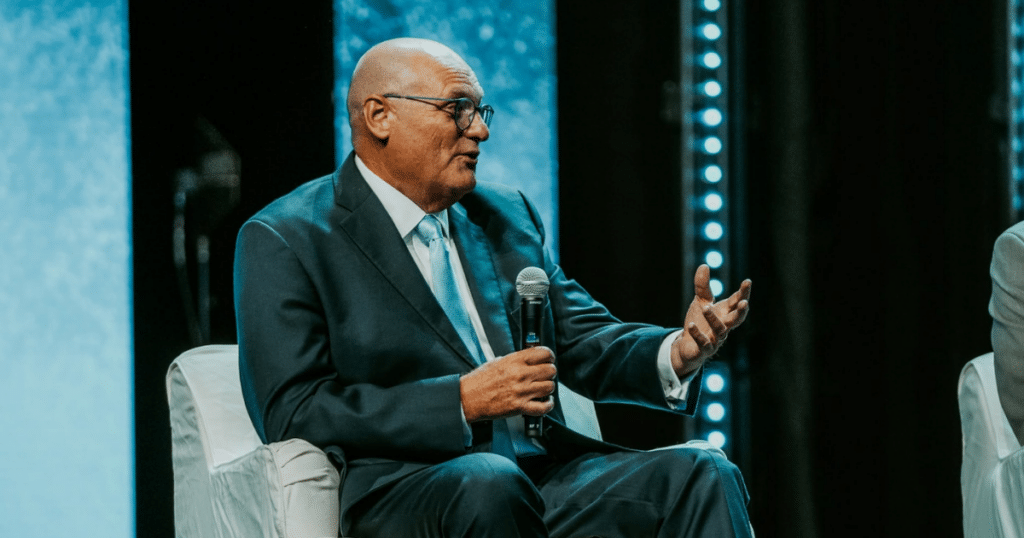
Willy Rice, the senior pastor of Calvary Church in Clearwater, Florida, was elected president of the Southern Baptist Convention (SBC), securing 5,217 votes (57%) over his opponent, Josh Powell of South Carolina, who received 3,821 votes (42%). Rice’s victory represents a major triumph for the denomination’s right-wing critics, who contend that the nation’s largest Protestant body has succumbed to a “cultural riptide” of liberalism, wokeness, and an excessive focus on social justice and racial issues. While both Rice and Powell share deeply conservative theological foundations—including lifelong devotion to the SBC, a strong commitment to missionary work, a desire to ban female pastors, and shared skepticism regarding the severity of the denomination’s sexual abuse crisis—they offered vastly different diagnoses of the convention’s current health. During a pre-election forum, Powell adopted an optimistic, celebratory stance, highlighting thriving church plants and missionary deployments while warning against divisive rhetoric. Conversely, Rice warned that leadership’s denial of a progressive drift would cause the SBC to become obsolete like Kodak or Blockbuster, insisting that true unity requires listening to disillusioned factions rather than silencing them.
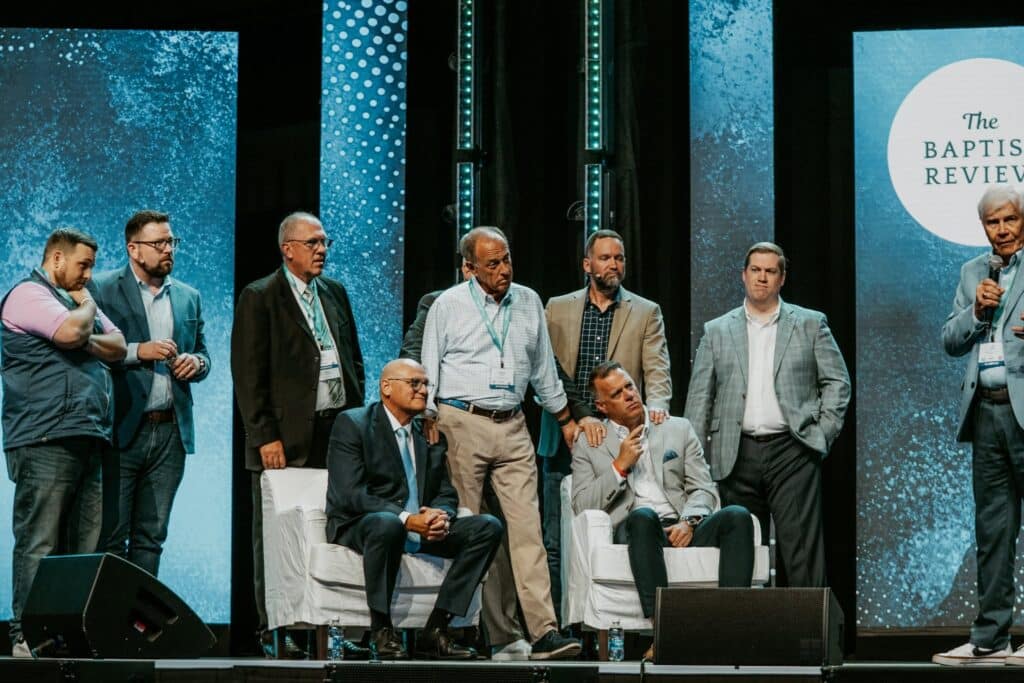
Rice’s ascension has sparked intense scrutiny regarding his political alignments and the trajectory of internal SBC reforms. He faced sharp questioning during the campaign over his close ties to the Center for Baptist Leadership, an organization helmed by former Trump administration staffer William Wolfe, whose controversial, hard-right social media presence has drawn criticism. While Texas pastor Juan Sanchez raised concerns about the inflammatory online behavior of Rice’s supporters, Rice defended his coalition, arguing that controversial rhetoric exists across all theological spectrums and that the grievances of these intense online voices deserve an audience. Following the vote, Wolfe celebrated Rice’s victory as a complete vindication of the conservative reform movement, expressing hope that the new president will usher in an era of strict accountability and sound doctrine to reverse a period of perceived institutional decline.

The election results have also cast a profound shadow over the SBC’s stalled sexual abuse reforms, deeply alarming survivors and advocates. Rice—who previously withdrew from a 2022 presidential bid after disclosing that a leader at his own church had committed past misconduct—maintains that while abuse should be reported directly to law enforcement, the SBC’s overarching institutional response went awry and that the crisis itself was largely exaggerated. This stance stands in stark contrast to the landmark 2021 Guidepost Solutions report, which exposed decades of systemic stonewalling and mistreatment of victims by convention leaders. Abuse survivor and activist Tiffany Thigpen sharply condemned Rice’s election, lamenting that messengers chose to elevate a leader who views survivors’ traumas as a hoax, signaling a profound moral failure within the church just years after the SBC issued a formal apology to victims in 2022.
Beyond the presidential race, the convention signal-boosted its conservative shift by suspending standing rules to fast-track a vote on a constitutional amendment that would strictly bar any churches employing female pastors or allowing women to preach on Sunday mornings. By bypassing the traditional one-year waiting period, messengers cleared the path for an immediate vote requiring a two-thirds majority in consecutive years to pass. In the aftermath of his victory, Rice attempted a conciliatory tone, praising Powell’s pastoral character and taking to social media to call for a season of reconciliation, renewal, and mutual cooperation. Despite these calls for unity, his presidency marks a definitive pivot toward aggressive conservative pushback against institutional leadership, promising a contentious reevaluation of the SBC’s cultural engagement, internal discipline, and structural accountability.