
Advent in the Church of England has a long history dating back to the early centuries of Christianity. The word Advent comes from the Latin adventus, meaning “coming” or “arrival,” referring both to the birth of Jesus Christ and to the Christian belief in his future return.
During the medieval period, Advent was a solemn season of spiritual preparation, often associated with fasting, prayer, repentance and reflection on God’s judgement. In some parts of the Western Church, a forty-day period of preparation began around the feast of St Martin on 11 November, before the season gradually developed into the four Sundays before Christmas that are familiar today.
Medieval English churches observed Advent through special prayers, Bible readings, hymns and chants, including the Great O Antiphons, ancient prayers addressing Christ by titles such as Wisdom, Root of Jesse and Emmanuel. These prayers inspired the well-known Advent hymn O Come, O Come, Emmanuel. Before the English Reformation, many churches followed the Sarum Rite, a distinctive English form of worship that influenced the celebration of Advent.
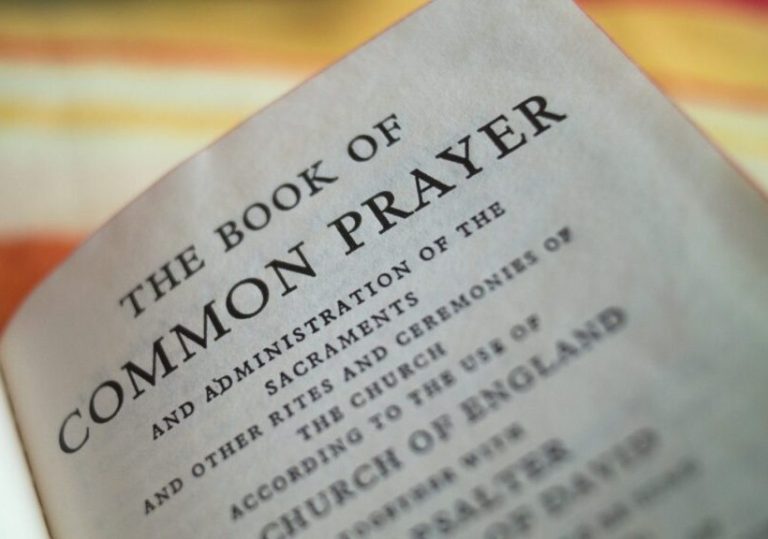
During the sixteenth-century Reformation, the Church of England retained Advent but reshaped its worship through the Book of Common Prayer, first published in 1549. Services increasingly used English rather than Latin, and the readings and prayers continued to emphasise Christ’s coming, repentance, salvation and the hope of his return. For centuries, the Prayer Book shaped Anglican Advent observance, with particular attention to the Four Last Things: death, judgement, heaven and hell.
During the nineteenth century, the Oxford Movement encouraged renewed interest in historic liturgy, church ceremonial and traditional worship. Around the same period, the modern Advent wreath developed in Germany through the work of Lutheran pastor Johann Hinrich Wichern in 1839. The tradition subsequently spread to other Christian communities and became popular in Church of England churches, although it was not a customary feature of medieval English worship.