Some Anglicans call their rector “Father” because they understand it as a title of spiritual care—not as a claim that the priest replaces God or possesses God’s authority in his own right. They interpret Matthew 23:9 as a warning against religious pride and the exaltation of human leaders, rather than an absolute prohibition on the word father. But that interpretation, and the title itself, is not universal within Anglicanism.
How they reconcile it with Matthew 23:9
Jesus says: “And call no man your father on earth, for you have one Father, who is in heaven.”
Anglicans who use the title generally make two connected arguments:
- The passage concerns the misuse of religious authority. They read Jesus’ command within his criticism of leaders who seek honor and status. On that reading, the prohibition is against claiming the place that belongs to God, not against acknowledging someone’s subordinate role as a spiritual parent. A priest’s authority must remain accountable to God, rather than become a rival to God’s authority.
- Paul himself uses spiritual-fatherhood language. In 1 Corinthians 4:15, he tells the Corinthians: “For though ye have ten thousand instructors in Christ, yet have ye not many fathers: for in Christ Jesus, I have begotten you through the gospel.” Those who defend the title see this as evidence that spiritual fatherhood can be a legitimate Christian relationship: Paul brought them the gospel and nurtured their faith.
The distinction, therefore, is between recognizing someone who provides fatherly spiritual care and treating that person as the ultimate source of spiritual truth or authority. Those who use “Father” believe the first is compatible with Jesus’ warning; the second is not.
Why the objection still matters
Your question identifies a real interpretive issue: Paul’s description of himself as a spiritual father does not, by itself, establish that Christians should use “Father” as a formal clerical title. An Anglican discussion in The Living Church explicitly distinguishes Paul’s relationship with people he brought to faith from the custom of addressing priests generally as “Father.”
That helps explain why some Anglicans reject the title on the basis of Matthew 23:9, while others accept it. The disagreement is not simply over whether to obey Jesus; it is over whether his command forbids the title itself or the kind of elevated religious status it can express.
Why some Anglican parishes use it and others do not
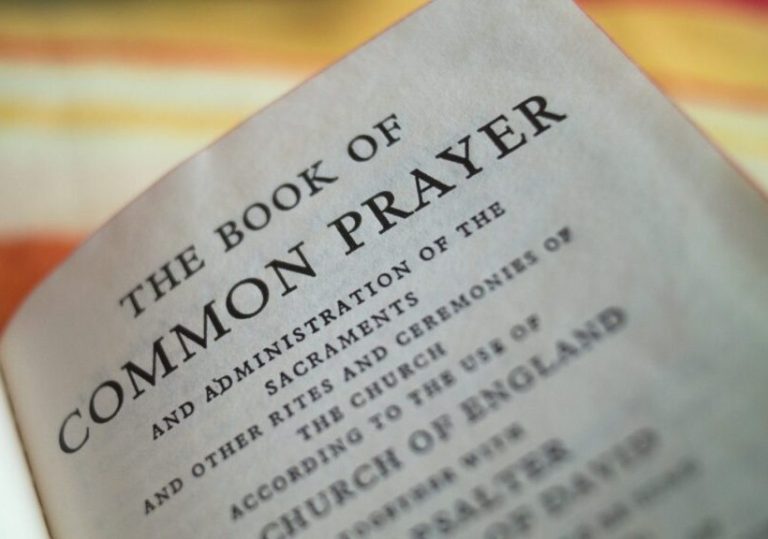
“Father” became more common in Anglicanism through the nineteenth-century Catholic Revival and is especially associated with Anglo-Catholic practice. It was not the universal Anglican custom after the Reformation, and it remains optional rather than a defining requirement of Anglican belief.
“Rector” identifies the priest’s parish office; “Father” expresses the pastoral relationship as that congregation understands it. Thus, the same person can be the rector by office and “Father John” by customary address. Other Anglican congregations use “Mr.,” “Vicar,” “Pastor,” or other forms instead.
So their answer is not that Matthew 23:9 can be disregarded. It is that the title can acknowledge spiritual care under God without competing with God’s fatherhood. Even on that interpretation, however, a priest who uses the title to demand personal exaltation or unquestioning loyalty would be falling into precisely the danger the passage warns against.