Many voices today insist that the future belongs to innovation, accommodation, or ever-larger ecclesiastical coalitions. They tell us that survival depends on embracing the latest vision, aligning ourselves with contemporary movements, or dissolving our distinctiveness into a broader Protestant identity. Yet history tells a different story. The Church has never been sustained by novelty. She has endured because she has remained faithful.
To be a classical Anglican today—without endorsing women’s ordination, without identifying with the vision of the ACNA, without looking to the Anglican Communion as the defining center of Anglican identity, without joining the Anglican Continuum as an ideology, and without surrendering Anglicanism into pan-Protestantism—is not to cling to a dying remnant. It is to stand within a living inheritance.
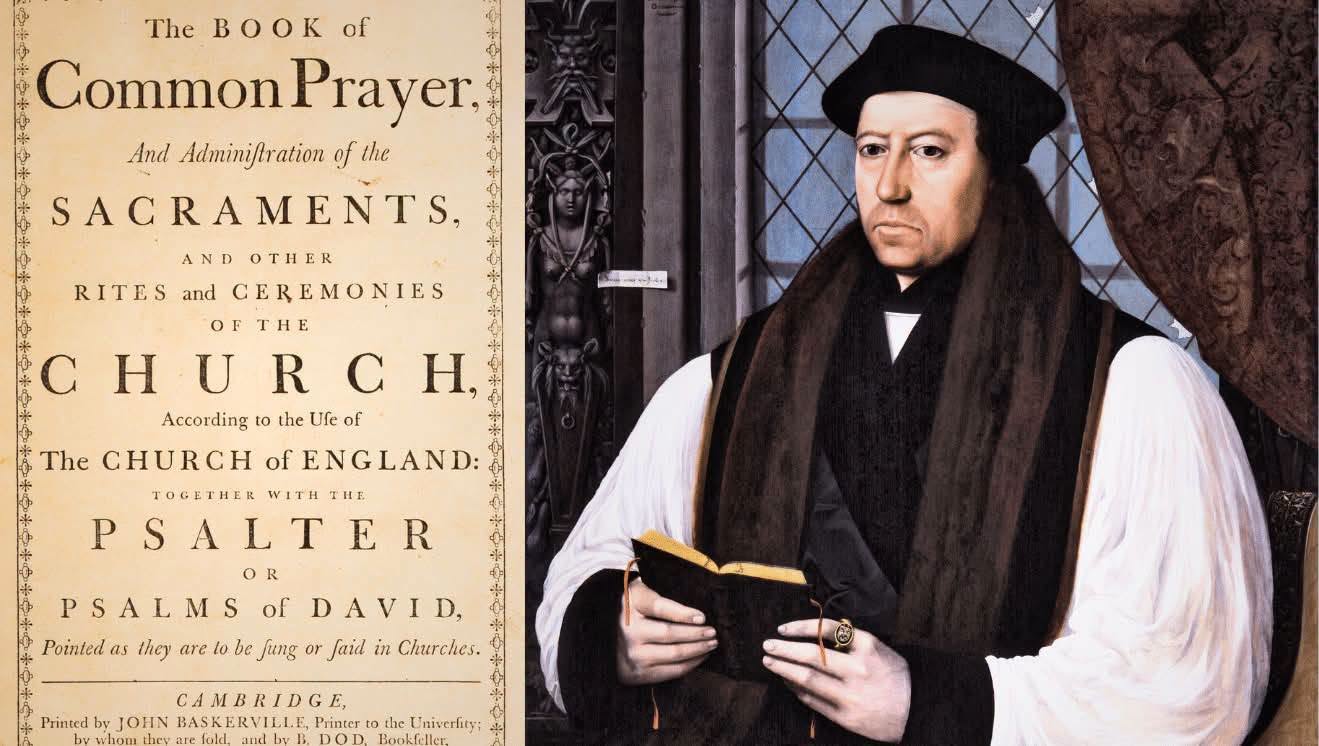
Classical Anglicanism is more than a reaction. It is a positive confession. It is rooted in the authority of Holy Scripture, interpreted within the catholic consensus of the early Church, expressed through the historic formularies, nourished by the Book of Common Prayer, and governed by the apostolic ministry as it has been received through the centuries. These are not museum pieces. They are living treasures.
The strength of classical Anglicanism has never been found in institutional size or political influence. At the English Reformation, the Church was neither the largest nor the most fashionable expression of Christianity. What distinguished her was her conviction that the ancient faith could be faithfully reformed according to God’s Word without abandoning catholic continuity. That conviction remains just as compelling today.
The modern Anglican landscape is fragmented. Some define Anglicanism primarily by communion with Canterbury, even when doctrinal consensus has dissolved. Others seek renewal through new ecclesial structures, innovative mission strategies, or broad evangelical alliances. Still others identify Anglicanism so closely with Protestant evangelicalism that its distinct liturgical, sacramental, and ecclesial character fades into the background.
But classical Anglicanism offers another way.
It refuses to believe that fidelity depends on constant reinvention. It understands that the Church’s identity is received before it is created. We inherit the faith; we do not manufacture it. Our calling is not to make Anglicanism relevant by reshaping it into the image of the age, but to bear witness to the Gospel through the beauty, order, reverence, and doctrinal stability that have always characterized authentic Anglican worship and theology.
This path is neither nostalgic nor sectarian. It does not seek to preserve traditions merely because they are old. Rather, it asks whether those traditions faithfully transmit the apostolic faith. Where they do, they deserve our loyalty—not because they are English, historical, or familiar, but because they help us remain rooted in Christ and His Church.
There is profound hope in this vision.
People today hunger for permanence in a transient world. They long for worship that directs attention to God rather than to personalities. They seek churches where doctrine is not rewritten every generation, where reverence is not mistaken for rigidity, and where beauty serves truth rather than replacing it. Classical Anglicanism answers that hunger.
Its future does not depend on becoming the largest movement. God’s kingdom has never been measured merely by numbers. Throughout Scripture, faithful minorities have often carried the greatest witness. The Church’s calling is not first to succeed according to worldly standards, but to remain steadfast, trusting that God gives growth in His own time.
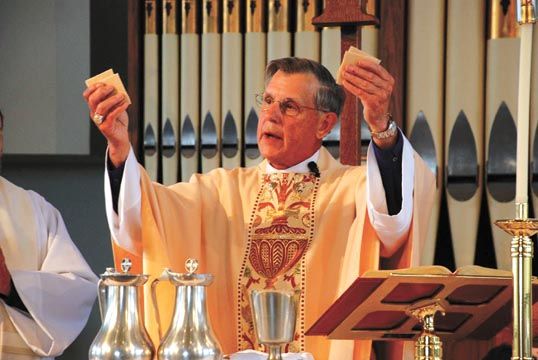
The life of classical Anglicanism is therefore found not in institutional prestige but in spiritual fidelity. Every parish that faithfully proclaims Scripture, celebrates the sacraments according to Christ’s institution, prays the ancient liturgy with devotion, and forms disciples in holiness is evidence that this tradition is not dying. It is alive.
The future belongs neither to endless adaptation nor to anxious preservation. It belongs to those who remain faithful.
Classical Anglicanism still has life because Jesus Christ still lives. He is the Head of His Church. He continues to call sinners to repentance, to nourish His people through Word and Sacrament, and to sanctify His saints by His Spirit. As long as Christ reigns, a Church committed to His truth need not fear obscurity, opposition, or small numbers. Faithfulness is never wasted.
To stand as a classical Anglican today is not to retreat from the future. It is to carry forward a tradition that has endured precisely because it has sought to hand on “the faith once delivered to the saints.” Our confidence is not in movements, institutions, or cultural approval, but in the unchanging Lord who promised that the gates of hell shall not prevail against His Church.
That promise is enough. It always has been.