Juneteenth, also known as Juneteenth National Independence Day, Freedom Day, or Emancipation Day, commemorates the end of slavery in the United States. It is observed annually on June 19.
Origin: June 19, 1865, in Galveston, Texas
The holiday marks the day in 1865 when Union Major General Gordon Granger arrived in Galveston Bay, Texas, with about 2,000 troops and issued General Order No. 3. This order informed the people of Texas that, in accordance with President Abraham Lincoln’s Emancipation Proclamation, all enslaved people in the state were free.
- Context: The Emancipation Proclamation took effect on January 1, 1863, declaring enslaved people in Confederate states free. However, it could not be enforced in many areas until Union forces advanced. Texas, as the westernmost Confederate state and far from major battlefields, was one of the last holdouts. Confederate General Robert E. Lee had surrendered in April 1865, but news and enforcement of emancipation reached Texas later.
- On June 19, Granger’s announcement freed approximately 250,000 enslaved Black people in Texas—the last major group in the Confederacy to learn of their freedom.
This event represented the practical end of chattel slavery in the U.S., more than two years after the Proclamation and two months after the Civil War’s effective end.
Early Celebrations (1866 Onward)
The first Juneteenth celebrations occurred the following year, on June 19, 1866, organized by freedmen in Texas. These early events, often called “Jubilee Day,” “Emancipation Day,” or “Freedom Day,” were centered around churches and community gatherings with prayer meetings, singing spirituals, wearing new clothes (symbolizing newfound freedom), feasts, and family reunions.
- Celebrations quickly spread in Texas and other Southern states.
- As Black communities acquired land, they established dedicated spaces like Emancipation Park in Houston (purchased in 1872 by former slaves for $1,000 for 10 acres). Similar parks and grounds became common sites for annual events.
- Early observances also served educational and political purposes, such as teaching voting rights and community organizing, often with support from the Freedmen’s Bureau.
Spread and Evolution
- Migration: The Great Migrations (early 20th century onward) carried Juneteenth traditions from Texas to other states as African Americans moved North and West.
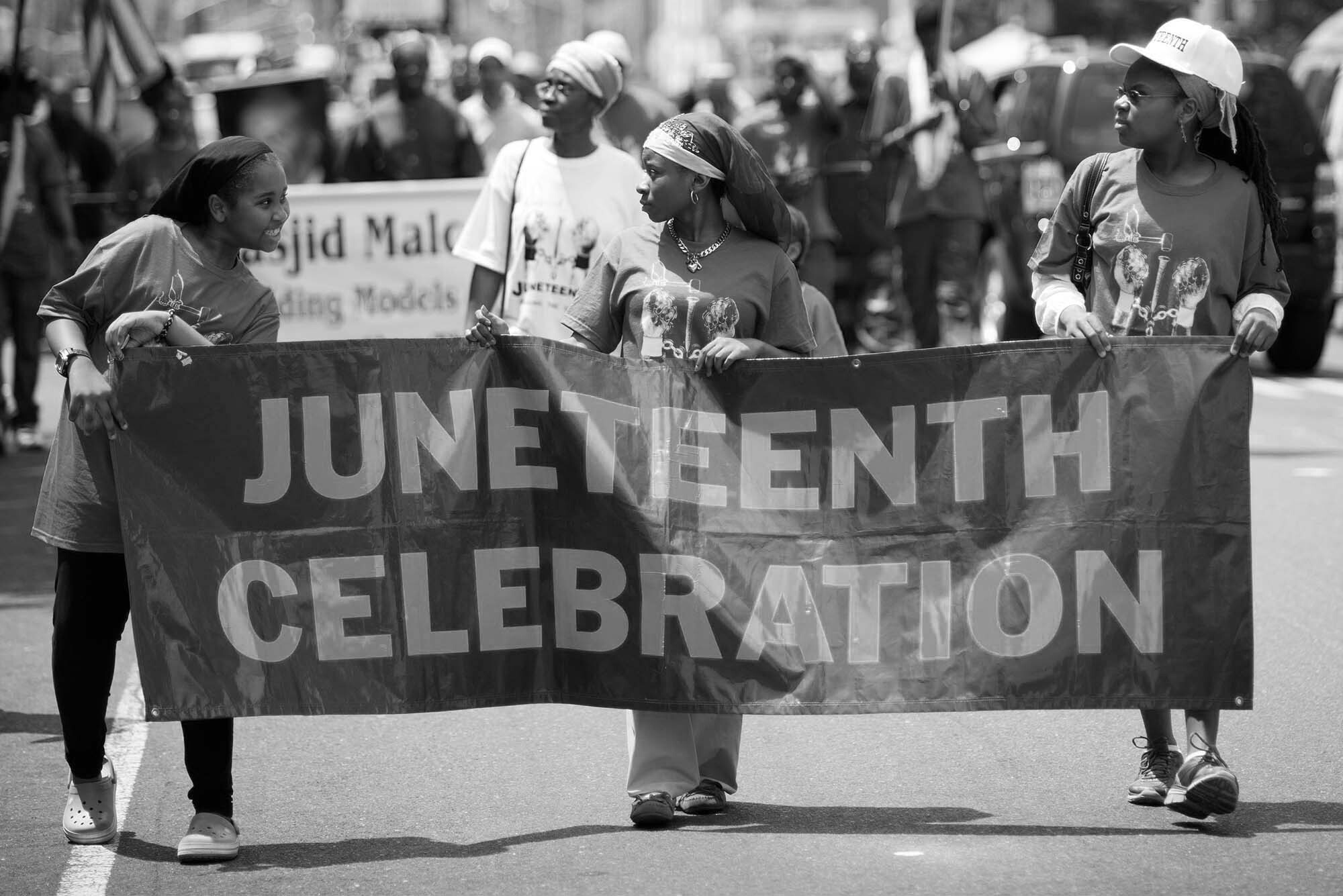
- Traditions grew to include parades, rodeos, baseball games, fishing, barbecues, and red foods/drinks (symbolizing resilience and sacrifice, e.g., red velvet cake or strawberry soda).
- Celebrations waned somewhat during the Jim Crow era and the 1960s Civil Rights Movement (which focused on new struggles), but revived in later decades.
Texas made it an official state holiday in 1980 (the first state to do so), thanks in part to activist efforts. Other states followed over time.
Federal Holiday Status
In 2021, Congress passed the Juneteenth National Independence Day Act, and President Joe Biden signed it into law on June 17, making June 19 a federal holiday—the first new one since Martin Luther King Jr. Day in 1983. This built on decades of advocacy, including petitions and marches (e.g., by activist Opal Lee).

Significance Today
Juneteenth symbolizes African American freedom, resilience, and cultural heritage while highlighting the delayed and uneven enforcement of emancipation. It is a day for reflection on the ongoing struggle for equality, education about Black history, family gatherings, and festivals. It is now widely observed across the U.S. and even by some descendants of Black Seminoles in Mexico.
The name “Juneteenth” is a portmanteau of “June” and “nineteenth,” first commonly used in the late 19th century. It remains deeply rooted in Texas history but represents a national story of emancipation.
For primary sources, General Order No. 3 and accounts from the Smithsonian’s National Museum of African American History and Culture (NMAAHC) or the National Archives provide excellent details.