Skip to content
website logo

Primary Menu
  • Home
  • My Bibles
  • My Music
  • RESOURCES
  • LINKS
  • Software
  • LinkTree
  • About Me
  • Home
  • 2025
  • November
  • 28
  • Chart of Liturgical Colors

Chart of Liturgical Colors

Mike November 28, 2025

Share this:

  • Share on Facebook (Opens in new window) Facebook
  • Share on Threads (Opens in new window) Threads
  • Share on X (Opens in new window) X
  • Print (Opens in new window) Print
  • Email a link to a friend (Opens in new window) Email
  • More
  • Share on WhatsApp (Opens in new window) WhatsApp
  • Share on Telegram (Opens in new window) Telegram
  • Share on Reddit (Opens in new window) Reddit
  • Share on Bluesky (Opens in new window) Bluesky
  • Share on Tumblr (Opens in new window) Tumblr
  • Share on Pinterest (Opens in new window) Pinterest
  • Share on Mastodon (Opens in new window) Mastodon

Liturgical colors are specific colors used for vestments and hangings in Christian liturgy to signify different seasons, feasts, and moods within the liturgical year. The primary colors include white, red, green, purple (or violet), black, and sometimes gold, rose, blue, or other hues, each carrying symbolic meaning. These colors help underscore the spiritual themes of the day, such as penitence, joy, sacrifice, or celebration.

White symbolizes purity, holiness, and joy, and is used during Christmas and Easter seasons, feasts of the Lord (except those of His Passion), Marian feasts, celebrations of non-martyred saints, and weddings. Gold or silver may be used as alternatives to white for more solemn occasions, particularly in the United States. Red represents the blood of martyrs, the fire of the Holy Spirit, and the sacrifice of Christ, and is worn on Palm Sunday, Good Friday, Pentecost, and feasts of martyrs, apostles, and evangelists. Green signifies life, hope, and growth, and is used during Ordinary Time, which spans the periods after Epiphany and after Pentecost.

Purple (or violet) is associated with penitence, preparation, and royalty, and is used during Advent and Lent, as well as for Masses for the Dead. In some traditions, dark blue or royal blue is used for Advent instead of purple. Black is traditionally used for funerals, memorials, and weekdays during Lent and Holy Week, especially in Slavic traditions. Rose is used on Gaudete Sunday (Third Sunday of Advent) and Laetare Sunday (Fourth Sunday of Lent), symbolizing joy amid penitence. Light blue is used in some traditions for feasts of the Theotokos (Mother of God) and the Annunciation, and occasionally for the Dormition Fast.

The use of liturgical colors varies across Christian denominations and traditions, such as Roman Catholic, Eastern Orthodox, Lutheran, Anglican, and Protestant churches, though there are broad similarities in their symbolic meanings. The current system of liturgical colors was codified in the Roman Rite following the Council of Trent in 1570, with the promulgation of the Roman Missal by Pope Pius V. Over time, additional colors like gold, rose, and blue have been permitted in specific contexts or regions, reflecting local customs and theological emphasis.
Like this:

Like Loading…

Post navigation

Previous: Determine the Date of Easter
Next: Periodic Table of Bible Books

Related Stories

scott aniol

G3 President Scott Aniol and 3 Pastors Resign, Apologize to Tom Buck

Mike August 26, 2026 0
creeds-confessions

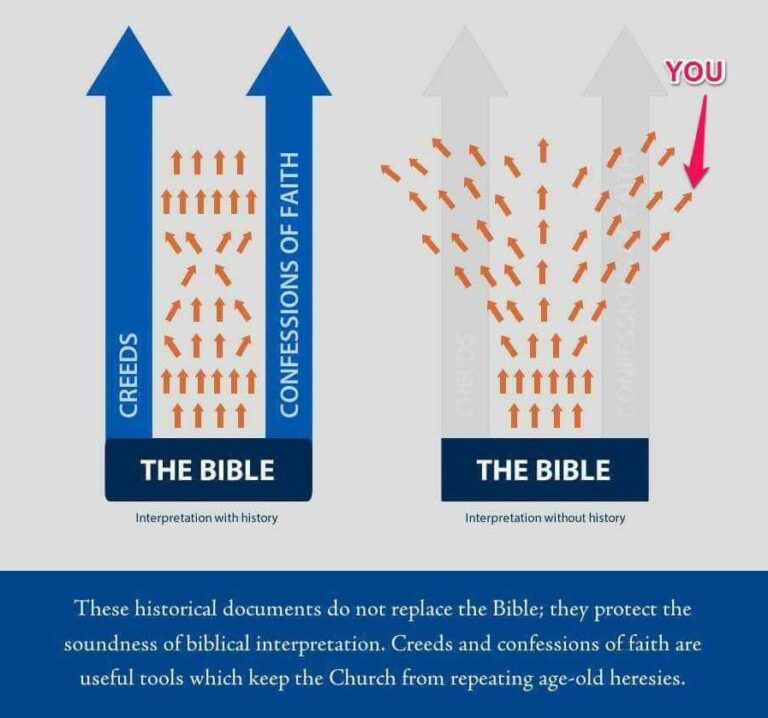
The importance of Creeds and Confessions

Mike August 17, 2026 0
Joel Osteen Empty Church

Joel Osteen’s Lakewood Megachurch Is Practically Empty

Mike August 13, 2026
Log in

Abortion Anglican bible business california Christ christian Christmas church church of england cofe college football Coronavirus covid covid-19 dogs episcopal church Florida food football fsu god hurricane Israel Jesus john macarthur lawsuit los angeles Music nfl orlando pets Politics pope recipe religion roman catholic salvation sbc seminoles target acquired Thanksgiving trans unemployment Weather

  • The Benefits of Our Union with Christ
  • August 2026 New Releases
  • A True Story of Aging That We’re Missing
  • The Story of the African Poet Who Called America to Christ
  • Up to 50% Off the New ‘Applying the Gospel Study Bible for Men’
  • Psalms 38 (Secret)
  • 1 Corinthians 4 (Family)
  • Ezekiel 2 (Secret)
  • 1 Samuel 23 (Family)
  • Psalms 27:14 - Morning Devotional for Aug. 30th
  • Psalms 51:1 - Morning Devotional for Aug. 29th
  • Exodus 25:6 - Morning Devotional for Aug. 28th
  • Numbers 14:11 - Morning Devotional for Aug. 27th
  • Psalms 111:9 - Morning Devotional for Aug. 26th
  • Jeremiah 17:14 - Evening Devotional for Aug. 30th
  • Numbers 6:4 - Evening Devotional for Aug. 29th
  • Isaiah 54:1 - Evening Devotional for Aug. 28th
  • Psalms 31:5 - Evening Devotional for Aug. 27th
  • Mark 9:15 - Evening Devotional for Aug. 26th

RECENT:

  • Archaeologists ‘absolutely’ certain they found lost city of Bethsaida where Jesus performed miracles
  • Are Christians Required by God to Tithe
  • T.S. Dolly Reforms, NHC keeping an eye on it
  • Archaeologists Find 2,000-Year-Old Garden Beneath a Church. It May Be the Site of Jesus’s Tomb.
  • Florida Cyclosporiasis cases rise to 486

November 2025
M T W T F S S
 12
3456789
10111213141516
17181920212223
24252627282930
« Oct   Dec »
Copyright 2026 © All rights reserved. | MoreNews by AF themes.
%d