
This Neapolitan presepio was displayed in Rome.
One of the most iconic symbols of the Christmas season is the nativity scene (also known as a crèche or manger scene), depicting the birth of Jesus surrounded by Mary, Joseph, shepherds, angels, the Magi, and farm animals in a stable.
Historical Origin of the Nativity Scene
The modern nativity scene traces its roots to St. Francis of Assisi in 1223. In the Italian town of Greccio, Francis staged the first known living nativity—a reenactment with real people and animals—to vividly illustrate the humility of Christ’s birth during Christmas Mass. This was not a static display but a devotional act to help people experience the Incarnation.
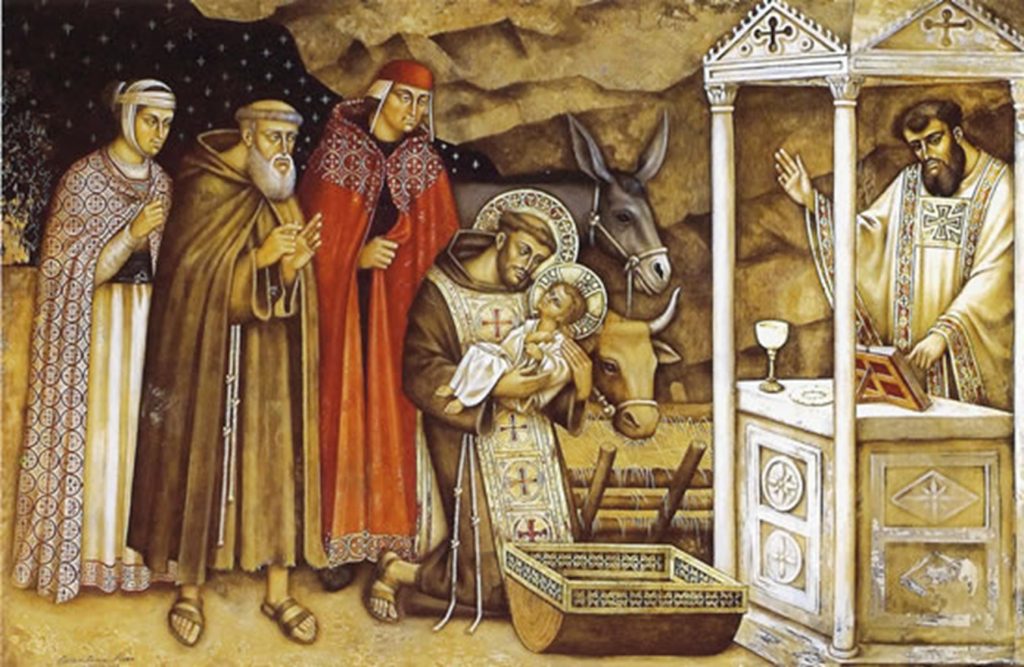
Over time, this evolved into sculptural and artistic representations, spreading across Europe and beyond.
Biblical Accounts: Matthew and Luke
The nativity scene primarily harmonizes two distinct New Testament narratives:
- Luke’s Gospel (chapters 1–2): Describes Jesus’ birth in Bethlehem due to a census, Mary laying him in a manger “because there was no room at the inn,” angels announcing the news to shepherds, and the shepherds visiting the family.
- Matthew’s Gospel (chapters 1–2): Focuses on the Magi (wise men) following a star to visit the child in a house (not a stable), presenting gifts, and the family’s subsequent flight to Egypt to escape Herod.
These accounts differ in details, timing, and emphasis:
- Luke emphasizes humility and revelation to the lowly (shepherds).
- Matthew highlights fulfillment of prophecy and revelation to Gentiles (Magi).
The combined scene—stable, shepherds, and Magi all present simultaneously—is a later synthesis, not directly described in either Gospel. The Bible does not mention animals (though implied by the manger), and the Magi likely arrived months or even up to two years later.
Iconographic and Theological Purpose
Nativity scenes are iconographic: Their elements convey theological truths (e.g., God’s incarnation in humble circumstances, salvation for all people) rather than strict historical or literal accuracy. This harmonization reflects early Christian efforts to unite the Gospels’ stories into a unified devotional image.
Apocryphal Enhancements
Many familiar details in nativity scenes stem from Christian apocrypha—non-canonical texts from the 2nd century onward that expanded on the biblical infancy narratives. These works blended Matthew and Luke while adding legendary elements that circulated in antiquity.
The most influential is the Protevangelium of James (also called the Proto-Gospel of James), composed around the mid-to-late 2nd century. It focuses on Mary’s background, her virgin birth of Jesus (often in a cave, not a stable), and includes midwives. Hundreds of manuscripts survive, attesting to its popularity; it shaped liturgy and Marian devotion.
- Gospel of Pseudo-Matthew (Western tradition): Incorporated the Protevangelium, added stories of the flight to Egypt, and drew from the Infancy Gospel of Thomas; some versions include alternative birth narratives.
- Arabic Infancy Gospel and related Syriac/Armenian texts (Eastern tradition): Expanded Egyptian sojourn stories and harmonized elements differently.
- Magi-focused works: Texts like the Revelation of the Magi elaborated on the wise men’s origins and the star’s significance.
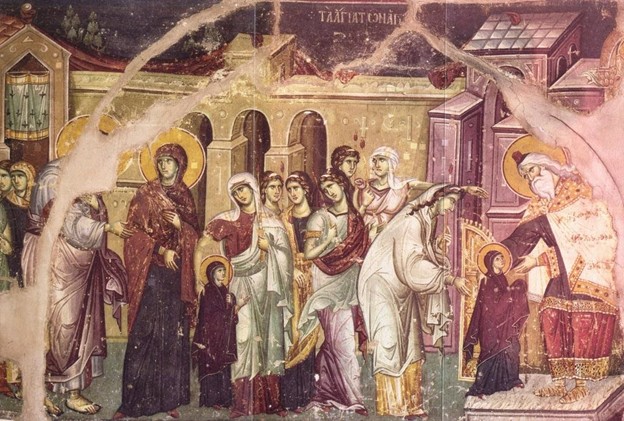
Before widespread literacy, most Christians encountered these blended stories through oral tradition, art, and liturgy, often without distinguishing canonical from apocryphal sources. Elements like the ox and ass (symbolizing Isaiah 1:3 prophecy fulfillment) or the cave setting entered visual tradition via these texts.
In summary, the beloved nativity scene is a rich composite: rooted in Matthew and Luke, initiated by St. Francis, and enriched by apocryphal traditions. It prioritizes spiritual symbolism over historical precision, inviting contemplation of the mystery of the Incarnation.
Surprising Differences Between Apocryphal Nativity Stories and Modern Scenes
Modern nativity scenes, with their familiar stables, mangers, and three kings, blend elements from the canonical Gospels of Matthew and Luke with later traditions. However, early Christian apocryphal texts—known as infancy gospels—offer strikingly different details. Readers familiar only with these ancient non-canonical accounts would be surprised by many features of today’s depictions.
The Birthplace: A Cave, Not a Stable
- In the infancy gospels, Jesus is born in a cave outside Bethlehem, not a stable.
- This tradition appears in the Protevangelium of James and is echoed by Justin Martyr (d. ca. 165 CE) in his Dialogue with Trypho 78.
- A midwife often assists at the birth, a figure regularly included in Eastern Orthodox nativity icons as she helps Mary bathe the newborn.
The Miraculous Birth in the Cave
According to the Protevangelium of James:
- Joseph leaves Mary in the cave and goes to Bethlehem to fetch a midwife.
- As they return, a bright cloud overshadows the cave, then withdraws to reveal a dazzling light.
- The light fades, and the baby Jesus appears.
Later apocryphal texts expand this scene in unique ways, but all emphasize a supernatural birth that preserves Mary’s physical virginity postpartum.
The Superhuman Infant Jesus
Some accounts portray Jesus as transcendent from the moment of birth:
- In the Armenian Infancy Gospel, the Magi each perceive him differently:
- As the Son of God enthroned in glory.
- As the Son of Man surrounded by heavenly armies.
- As a figure tortured, dead, and resurrected.
The Animals at the Manger
- Apocryphal texts agree with Luke that shepherds visit soon after the birth.
- In Western traditions, the family then moves to a stable, where Jesus is placed in a manger.
- An ox and ass kneel and worship him, fulfilling Isaiah 1:3: “The ox knows its owner, and the donkey its master’s crib.”
- This detail (found in Pseudo-Matthew 14 and Birth of the Savior 86) is an apocryphal addition but became standard in later art and remains common in nativity scenes today.
The Magi: Number, Origin, and Timing
- Matthew describes only “magi from the East” without specifying their number.
- Apocryphal texts attempt to fill these gaps:
- The Revelation of the Magi describes at least twelve Magi (matching some Syriac traditions) arriving in April (not December) from “Shir,” a far-eastern land possibly intended as China.
- The Armenian Infancy Gospel specifies three kings, each accompanied by 12 commanders and armies of 1,000 men—a vast entourage.
Most apocryphal accounts keep the cave as the setting for later events, including the circumcision (Luke 2:21) and the Magi’s visit.
What the Magi Brought Back Home
Several texts describe the Magi’s return journey:
- In the Arabic Infancy Gospel (Life of the Blessed Virgin), they take one of Jesus’ swaddling bands, which they venerate for its miraculous powers.
- In the Revelation of the Magi, they share vision-inducing food provided by the star.
- In the Legend of Aphroditianus, they bring back a painting of Jesus and Mary.
These traditions influenced medieval art and literature but are absent from modern nativity scenes.
Conclusion: A Blend of Scripture and Imagination
Christians throughout history have cherished the story of Jesus’ birth and longed for more details than Matthew and Luke provide. Apocryphal writers responded by filling in the gaps with creative, pious embellishments. The familiar Christmas nativity scene is the enduring result: a harmonious composite of biblical accounts and extra-biblical traditions.
It beautifully represents the Incarnation—God becoming man—while also serving as a testament to human imagination, devotion, and the timeless art of storytelling.