
Pastor Steven Furtick, born Larry Stevens Furtick Jr. on February 19, 1980, in Moncks Corner, South Carolina, is an American pastor, author, singer, and composer. He is the founder and lead pastor of Elevation Church, a multi-site church based in Charlotte, North Carolina, which he established in 2006 with seven families. Under his leadership, Elevation Church has grown to over 26,000 members and is recognized as one of the fastest-growing churches in the United States, with multiple campuses across the U.S. and Canada and a significant global presence through online streaming and television. Furtick is also a GRAMMY® Award-winning songwriter and producer, known for his work with Elevation Worship, and a New York Times bestselling author, having written books such as Crash the Chatterbox, Greater, Sun Stand Still, and Do The New You. He holds a Master of Divinity degree from Southern Baptist Theological Seminary and resides in Charlotte with his wife, Holly, and their three children: Elijah, Graham, and Abbey.
1. Beliefs about God and the Nature of Man:
- Steven Furtick’s View: Furtick often emphasizes a “big” view of God, encouraging believers to see God as someone who wants to do great things in their lives. However, his teachings frequently blur the distinction between God and humanity, sometimes implying that believers share in God’s divine nature in ways that go beyond orthodox Christian teaching. For example, he has suggested that because believers are children of God, they possess divine potential, leading to the implication that humans can speak things into existence in a manner similar to God.
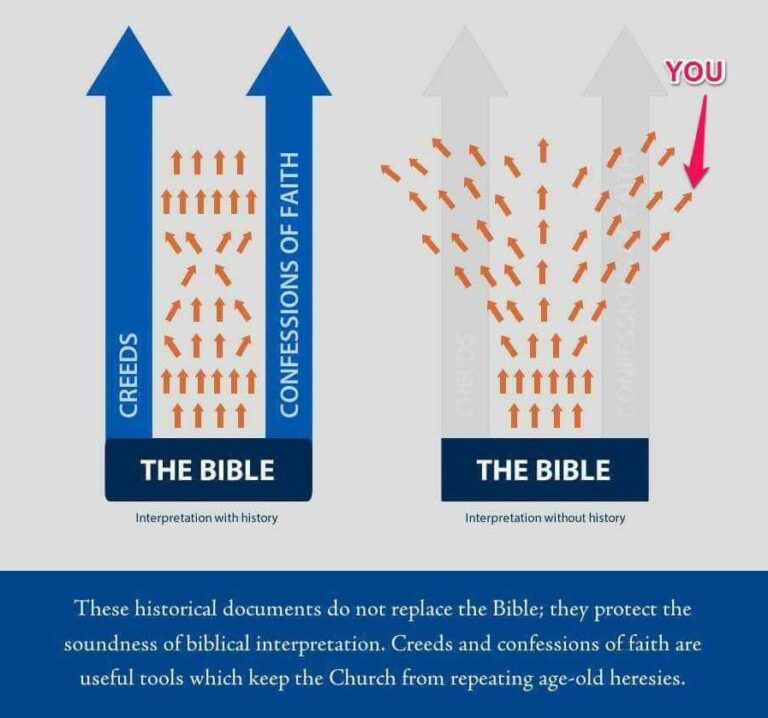
- Confessional Christianity: Confessional Christianity maintains a clear distinction between God as the Creator and humans as His creation. Reformed theology, as articulated in the Westminster Confession of Faith, teaches that while believers are made in God’s image and can experience a relationship with Him, they do not possess divine attributes (Genesis 1:27; Isaiah 40:25). The idea that humans share God’s divine nature in a way that allows them to have creative power or authority over their circumstances is foreign to Reformed teaching.
2. The Prosperity Gospel and Positive Confession:
- Steven Furtick’s View: Furtick’s preaching often emphasizes themes of self-empowerment, success, and overcoming obstacles, which align with the prosperity gospel’s focus on health, wealth, and personal fulfillment. He frequently speaks about “believing big” and “speaking faith,” suggesting that believers can achieve their dreams and experience success by having a positive attitude and declaring God’s promises over their lives.
- Confessional Christianity: Reformed theology rejects the prosperity gospel as a distortion of biblical teaching. Scripture teaches that believers are called to take up their cross and follow Christ, often experiencing suffering, trials, and even poverty (Philippians 4:11-13; 1 Peter 4:12-13). Confessional Christianity emphasizes that faith is about trusting God in all circumstances, not using God as a means to achieve personal success or material gain.
3. Beliefs about Faith and God’s Will:
- Steven Furtick’s View: Furtick often teaches that faith is a tool that believers can use to unlock God’s blessings and favor. He presents faith as something that requires bold action, declaring God’s promises, and expecting God to respond with miraculous outcomes. This approach implies that God’s actions are often contingent on the level of faith exhibited by believers, leading to an emphasis on human effort and positive confession.
- Confessional Christianity: Confessional Christianity teaches that faith is a gift from God and that it involves trusting in God’s promises, even when His will does not align with personal desires (Ephesians 2:8-9; Hebrews 11:1). The Westminster Confession of Faith emphasizes that God’s sovereignty is not dependent on human faith or actions, and He accomplishes His purposes according to His will, not because of any human declaration (Isaiah 46:9-10).
4. View of Scripture and Preaching Style:
- Steven Furtick’s View: Furtick’s preaching often focuses on motivational themes, using Scripture as a launching point for messages about self-improvement, overcoming challenges, and achieving personal success. Critics have noted that he frequently takes verses out of context to support a message that emphasizes personal empowerment and positive thinking rather than accurately reflecting the full meaning and intent of the biblical text.
- Confessional Christianity: Confessional Christianity teaches that Scripture is the inspired, inerrant, and authoritative Word of God (2 Timothy 3:16-17). The Westminster Confession emphasizes that the Bible should be preached in a way that faithfully communicates its meaning, with an emphasis on the gospel, God’s sovereignty, and the centrality of Christ. Reformed preaching focuses on the exposition of Scripture, not on using it as a means to support a self-centered or motivational message.
5. View of the Gospel and Sanctification:
- Steven Furtick’s View: Furtick often emphasizes personal growth, success, and self-actualization, sometimes presenting the gospel as a message of empowerment and life enhancement rather than focusing on sin, repentance, and the need for reconciliation with God. This approach can lead to a view of sanctification that prioritizes personal achievement over spiritual transformation.
- Confessional Christianity: Confessional Christianity teaches that the gospel is fundamentally about the death, burial, and resurrection of Jesus Christ for the forgiveness of sins (1 Corinthians 15:3-4). The Westminster Confession of Faith asserts that sanctification is a work of God’s grace that transforms believers into the likeness of Christ, emphasizing repentance, obedience, and growing in holiness (Romans 8:29; Philippians 2:12-13). It is not primarily about achieving worldly success or self-improvement.
Summary of Differences
Why Steve Furtick should be regarded as a false teacher and why his teachings should be avoided:
1. Promoting a Man-Centered Theology Over a God-Centered Gospel
One of the most prominent issues with Steve Furtick’s teaching is his tendency to promote a man-centered theology rather than a God-centered Gospel. Furtick frequently emphasizes self-empowerment, personal potential, and self-esteem, suggesting that Christianity is about unlocking one’s inner greatness and achieving one’s goals. This message distorts the true Gospel, which calls believers to deny themselves, take up their cross, and follow Christ (Matthew 16:24).
The Bible teaches that salvation and the Christian life are about glorifying God, not elevating oneself. Paul writes, “For from him and through him and to him are all things. To him be glory forever. Amen” (Romans 11:36). By focusing on self rather than on Christ, Furtick’s teaching directs people away from the truth that our lives are to be lived for God’s glory, not our own ambitions or desires.
2. Distorting the Doctrine of God and the Nature of Man
Steve Furtick has made statements that blur the distinction between God and humanity, suggesting that believers share in God’s nature in an almost divine way. For example, Furtick has claimed, “I am God Almighty,” in an attempt to emphasize the believer’s authority and identity in Christ. This teaching dangerously borders on the heretical idea of “little gods” theology, which claims that humans possess a divine nature similar to God Himself.
Scripture is clear that there is only one God (Isaiah 45:5) and that He is entirely separate from His creation. While believers are made in God’s image (Genesis 1:27) and share in His promises through Christ (2 Peter 1:4), we do not become divine ourselves. The Bible teaches that we are fallen, sinful beings in need of a Savior, and that God alone is holy, perfect, and sovereign (Isaiah 6:3). By blurring the lines between God and man, Furtick’s teaching elevates humanity to a level of authority and power that Scripture does not support.
3. Promoting the Prosperity Gospel
Furtick’s teachings often align with the Prosperity Gospel, a false teaching that claims God desires all believers to be wealthy, healthy, and successful. This message is contrary to the teaching of Scripture, which emphasizes that following Christ often involves suffering, self-denial, and trials. Jesus warned His followers, “In the world you will have tribulation” (John 16:33), and Paul taught that “all who desire to live a godly life in Christ Jesus will be persecuted” (2 Timothy 3:12).
The Bible does not promise material wealth or worldly success to believers. Instead, it calls us to store up treasures in heaven (Matthew 6:19-20) and to find contentment in Christ, regardless of our earthly circumstances (Philippians 4:11-13). By promoting a message that equates faith with financial gain and personal success, Furtick leads people away from the true Gospel, which calls for humility, sacrifice, and trust in God’s sovereign will.
4. Twisting Scripture and Engaging in Eisegesis
Steve Furtick is known for using Scripture in ways that often twist or distort its original meaning, taking verses out of context to support his man-centered message. Rather than practicing sound exegesis—drawing out the meaning of a text as God intended—Furtick frequently engages in eisegesis, reading his ideas into the text to fit his motivational themes.
For example, in his teaching on the story of David and Goliath, Furtick often emphasizes the idea that the listener is David, destined to slay their personal “giants” through self-confidence and courage. However, the biblical account of David and Goliath is not primarily about self-empowerment; it is about God’s power and faithfulness in delivering His people through an unlikely, humble servant. David himself acknowledged that “the battle is the Lord’s” (1 Samuel 17:47), not his own.
The Bible commands teachers to “rightly handle the word of truth” (2 Timothy 2:15). By misusing Scripture to promote his own agenda, Furtick fails to faithfully represent God’s Word, leading others astray with messages that appeal to their desires rather than pointing them to the truth of the Gospel.
5. Encouraging a “Feel-Good” Christianity Rather than True Repentance and Discipleship
Furtick’s teachings often center on themes of self-improvement, positive thinking, and emotional experience, rather than on the call to repentance, obedience, and submission to Christ. This “feel-good” version of Christianity is attractive but fails to address the reality of sin, the need for repentance, and the cost of discipleship. Jesus calls His followers to deny themselves, take up their cross, and follow Him (Luke 9:23), which involves turning away from sin and submitting every aspect of our lives to His lordship.
The Bible teaches that true transformation comes through the renewing of our minds by God’s Word (Romans 12:2), not through self-help principles or emotional experiences. By promoting a watered-down version of Christianity that lacks the call to repentance and holiness, Furtick’s teachings lead people away from the biblical Gospel, which is the power of God for salvation (Romans 1:16).
Conclusion from Scripture
The Bible warns against false teachers who distort the truth and lead others astray. In 2 Timothy 4:3-4, Paul writes, “For the time is coming when people will not endure sound teaching, but having itching ears they will accumulate for themselves teachers to suit their own passions, and will turn away from listening to the truth and wander off into myths.” Steve Furtick’s teachings align with this description, as he presents a message that caters to the desires of his audience rather than faithfully proclaiming the whole counsel of God.
Furtick’s emphasis on self-empowerment, prosperity, and emotional experience contradicts the Bible’s clear call to humble submission, repentance, and reliance on God’s grace. Therefore, based on the authority of Scripture, Steve Furtick should be regarded as a false teacher, and his teachings should be avoided. Believers are called to be discerning and to test every teaching against the truth of God’s Word (1 John 4:1).
The true Gospel is about Christ, not about ourselves. It calls us to deny ourselves, trust in Christ’s finished work, and follow Him in obedience and faith. As Paul reminds us, “We preach Christ crucified, a stumbling block to Jews and folly to Gentiles, but to those who are called, both Jews and Greeks, Christ the power of God and the wisdom of God” (1 Corinthians 1:23-24). Any teaching that shifts the focus away from Christ and His glory should be rejected, and we must remain anchored in the unchanging truth of God’s Word.